
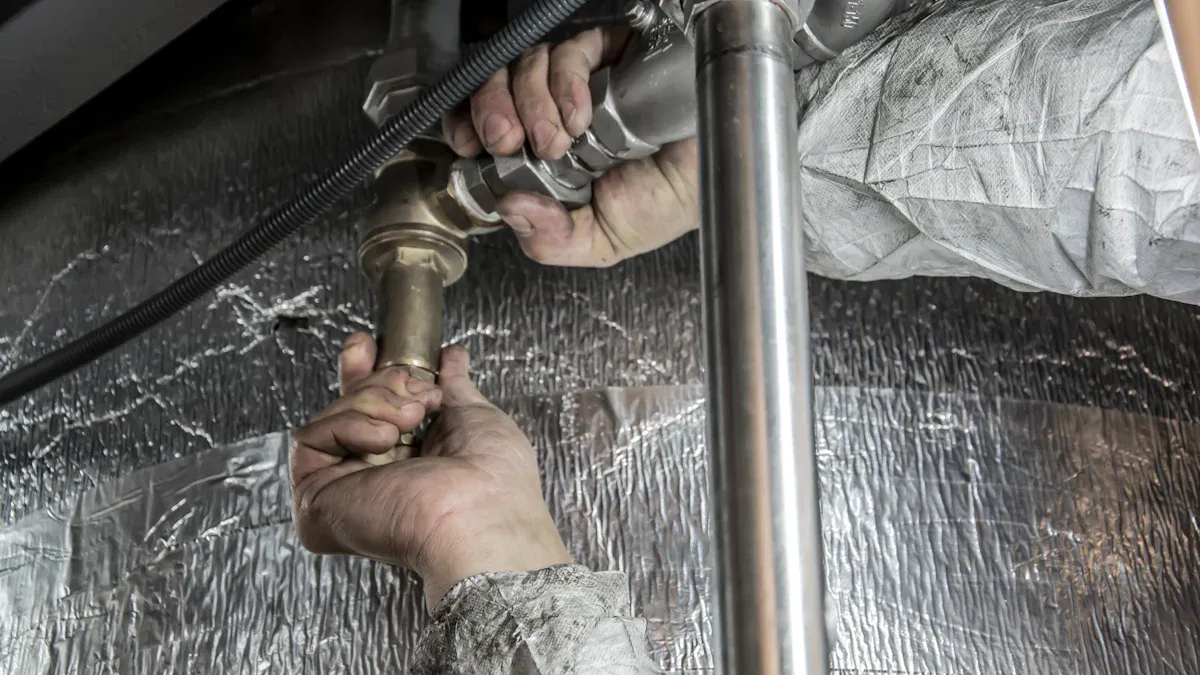
A pipe tool is a special tool made for pipes. It has two main uses: plumbing work or tobacco pipe care. For plumbing, these tools fix leaks, cut pipes, or thread them. Threading helps pipes connect better and stay secure. For tobacco pipes, they clean and pack the pipe for smooth smoking.
The right pipe tool makes work simpler and faster. It keeps pipes working well and stops them from breaking. Whether fixing water pipes or cleaning a tobacco pipe, these tools are important.
Key Takeaways
- The right pipe tools make plumbing and pipe care simple.
- A pipe wrench is key for plumbing. It tightens or loosens pipes safely.
- Cleaning tobacco pipes with tools like cleaners and reamers helps airflow. It also makes smoking better.
- Good tools like tape and sealants stop leaks and save money.
- Taking care of pipes keeps them working longer and better. This makes plumbing or smoking more fun.
Plumbing Pipe Tools
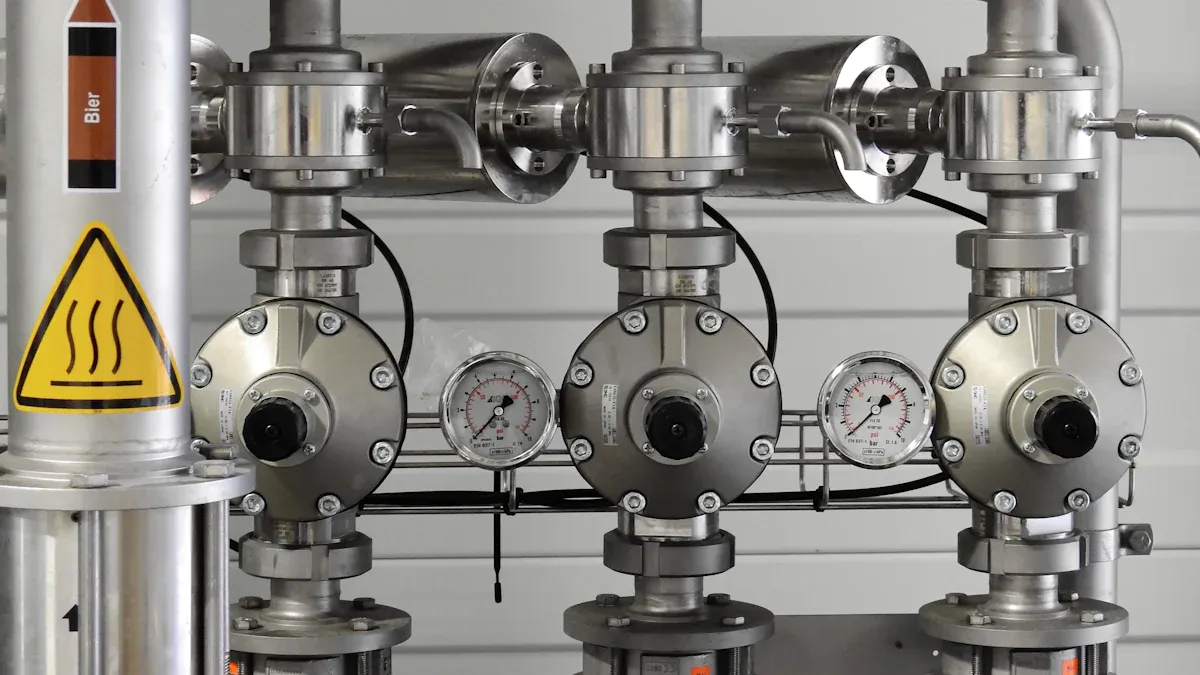
Having the right tools makes plumbing work easier and faster. Plumbing pipe tools are made to handle pipes safely and well. Below are three important tools: pipe wrenches, pipe cutters, and pipe threaders.
Pipe Wrenches
A pipe wrench is a common tool in plumbing. It grips and turns pipes, helping tighten or loosen connections. You can use it on metal pipes without scratching them.
Tip: Pick a wrench with adjustable jaws. It fits different pipe sizes and works for many tasks.
Pipe wrenches are strong and work well for years. Here’s why they’re useful:
| Evidence Type | Description |
|---|---|
| Efficiency Statistic | About 85% of plumbers say a pipe wrench is a must-have tool. |
| Real-World Example | Workers finished jobs 30% faster using a good pipe wrench. |
| Durability Statistic | A cared-for pipe wrench can last over 10 years. |
Using a pipe wrench right saves time, especially with tough fittings.
Pipe Cutters
Pipe cutters are used to cut pipes to the needed size. They make clean cuts, which help pipes connect properly. Unlike saws, they are made for plumbing pipes and avoid rough edges.
There are two main kinds of pipe cutters:
- Rotary pipe cutters: Best for cutting metal pipes. They spin around the pipe for smooth cuts.
- Plastic pipe cutters: Made for PVC and plastic pipes. They cut quickly like scissors.
Using pipe cutters often helps spot small leaks early. Fixing these stops bigger problems and saves money. Taking care of pipes also makes them last longer, delaying expensive replacements.
Pipe Threaders
Pipe threaders make threads on pipe ends. These threads let pipes connect tightly and stop leaks. They are used in plumbing, building, and factories.
NPT threads, made by pipe threaders, seal well when tightened. This design stops leaks. More people are using pipe threaders because they help build things faster and make precise threads.
Note: Check pipes often and upgrade to stronger parts. This lowers water bills and avoids plumbing troubles. Tools like leak detectors and cameras find hidden problems early, saving repair costs.
Plumber’s Tape and Sealants
Leaks in plumbing can cause big problems. Using plumber’s tape and sealants helps stop leaks and keeps pipes secure. These materials are easy to use and work well for protecting your plumbing system.
Plumber’s Tape (Teflon Tape)
Plumber’s tape, also called Teflon tape, is thin and stretchy. Wrap it around pipe threads before connecting them. It seals gaps between threads to stop water from leaking. This tape is cheap and simple, making it a favorite for many plumbing jobs.
- Plumber’s tape works for both home and business plumbing projects.
- It can be used on metal or plastic pipes.
- If the tape feels rough, it might be stored wrong.
Tip: Wrap the tape in the same direction as the threads for a tight seal.
Pipe Sealants (Pipe Dope)
Pipe sealants, also known as pipe dope, are thick pastes used on pipe threads. They fill gaps and create strong seals, even under high pressure. Brands like Oatey Pipe Joint Compound are trusted for their quality.
- Pipe sealants are great for pipes facing high pressure or heat changes.
- They are easy to spread and make durable seals.
- For tough spots, try Gasoila SS16, which resists chemicals well.
Using plumber’s tape and sealants prevents leaks and keeps pipes working longer. These materials save money by avoiding expensive repairs and keeping your plumbing system efficient.
Drain Cleaning Tools
Clogged drains are a common problem at home. The right tools can clear blockages and keep drains working well. New technology has made these tools easier to use and more effective.
Common Drain Cleaning Tools
Here are some tools that help fix drain clogs:
- Plunger: A simple tool that clears clogs in sinks, tubs, and toilets.
- Drain Snake (Auger): A flexible wire that removes hard-to-reach clogs inside pipes.
- High-Pressure Water Jet: Uses strong water blasts to clean pipes and remove blockages.
- Drain Cleaning Machine: A motorized tool for heavy-duty cleaning, often used by professionals.
Why Drain Cleaning Tools Matter
Drain tools are important for keeping plumbing systems in good shape. Over half of homeowners have had drain problems in the last two years. Using these tools regularly can stop clogs and improve drainage.
- The drain cleaning industry is growing fast, with more people needing solutions.
- New tools, like robotic cleaners and water jets, make cleaning easier and faster.
Note: Regular care with good tools saves money and extends the life of your plumbing system.
Investing in drain cleaning tools helps fix clogs quickly and prevents future issues. These tools keep your drainage system healthy and working well.
Using Plumbing Pipe Tools
Picking the Right Tool
Choosing the right tool makes plumbing easier and safer. Each tool has a special job, so knowing their uses helps. For example:
- Hacksaws cut metal or plastic pipes, even in tight spots.
- Hole saws make round holes for pipes to go through walls.
- Tube cutters give smooth cuts, perfect for smaller pipe jobs.
- Plumber’s torches are great for soldering and thawing frozen pipes.
- Plungers and hand augers clear clogs, while snake machines fix tough ones.
- Wireless cameras check inside pipes to find hidden problems.
Think about durability, ease of use, and the job type. For instance, use a plumber’s torch for copper pipes or a plastic cutter for PVC pipes.
Common Plumbing Jobs
Plumbing jobs often mean fixing, installing, or maintaining pipes. Common tasks include stopping leaks, clearing drains, and replacing pipes. The right tools make these jobs easier. A pipe wrench tightens or loosens connections. A drain snake removes hard clogs. A rotary cutter trims pipes neatly for a good fit.
For harder jobs, like threading pipes or soldering, special tools help. Pipe threaders and torches make work faster and better. Regular care, like cleaning drains and checking for leaks, avoids big repairs later.
Safety Tips
Using tools safely keeps you from getting hurt. Always wear gloves, goggles, and sturdy boots. Use back support and knee pads for tight spaces or heavy tools.
Check tools often to make sure they work well. Look for worn grips or loose parts that might cause accidents. Use tools the right way to avoid burns or shocks. For example, don’t use a plumber’s torch near flammable things.
Store and clean tools properly to keep them safe. Organize them and remove rust or dirt. This makes them last longer and work better. Following these tips keeps you safe and helps you finish plumbing jobs confidently.
Tobacco Pipe Tools
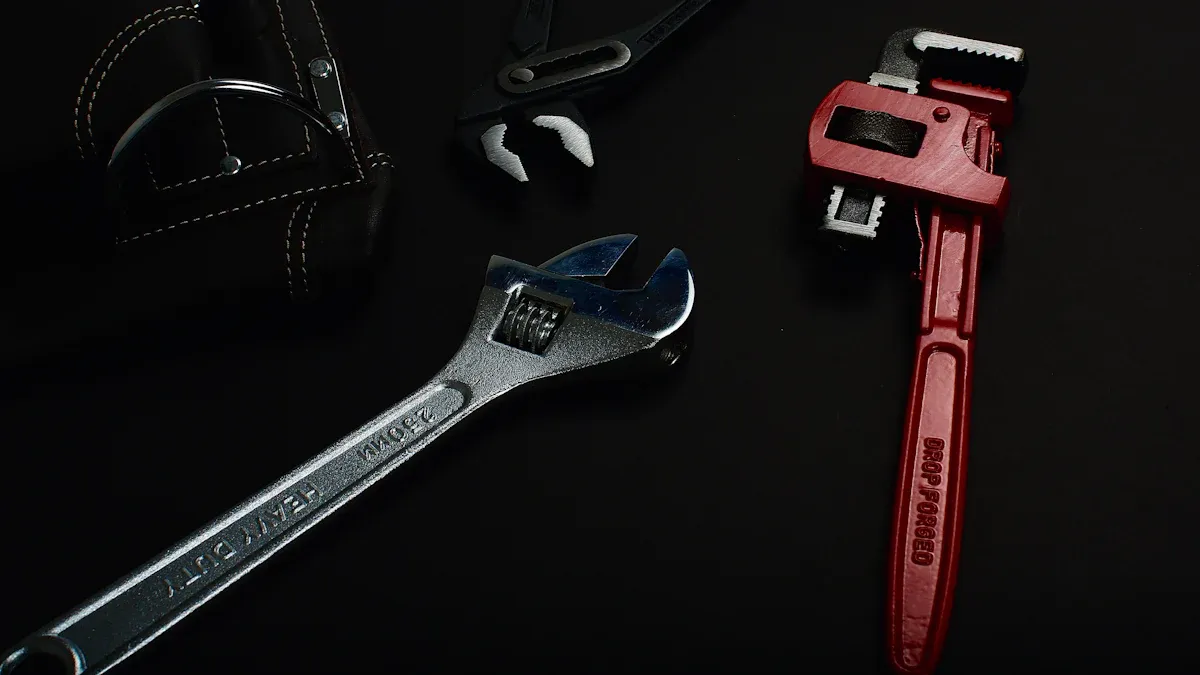
Tobacco pipe tools help keep your pipe clean and working well. They make smoking more enjoyable and easier to manage. Here are three important tools every tobacco pipe user should have.
Pipe Tamper
A pipe tamper helps press tobacco evenly in the pipe bowl. This makes the tobacco burn smoothly and stay lit longer. Without a tamper, packing tobacco can be tricky. You could use a finger or stick, but real tampers work best.
- Tampers have flat heads to press tobacco evenly.
- The narrow neck lets you tamp at angles as needed.
- Cheap options like pipe nails are great for beginners.
Using a tamper helps tobacco burn evenly and saves it from waste. It also improves airflow, making smoking more enjoyable.
Pipe Reamer
A pipe reamer clears extra carbon buildup inside the pipe bowl. Smoking leaves carbon that can block airflow or change the taste. A reamer scrapes this off without harming the pipe.
Choose a reamer that fits your pipe bowl size. Adjustable ones work for different pipe sizes. Cleaning with a reamer often keeps your pipe fresh and easy to use.
Tip: Don’t remove all the carbon. A thin layer protects the bowl and improves flavor.
Pipe Cleaners
Pipe cleaners are thin tools for cleaning the pipe’s stem and shank. They remove tar, moisture, and dirt left after smoking. Regular cleaning stops clogs and keeps the pipe fresh.
There are different kinds of pipe cleaners:
- Standard pipe cleaners: Best for everyday cleaning.
- Bristle pipe cleaners: Good for tough dirt.
- Extra-long pipe cleaners: Great for bigger pipes.
To clean, push the cleaner through the stem and move it back and forth. Keep doing this until it comes out clean. This simple habit keeps your pipe in great shape for longer use.
Multi-Tool for Tobacco Pipes
A multi-tool for tobacco pipes combines many useful tools in one. It helps with pipe care by including a tamper, reamer, and pick. This all-in-one tool saves time and effort, making it great for pipe smokers.
Key Features of a Multi-Tool
- Tamper: Packs tobacco evenly for smooth and steady burning.
- Reamer: Scrapes extra carbon without harming the pipe.
- Pick or Spike: Unclogs the stem or shank for better airflow.
Some multi-tools also have extras like a scraper or small knife. These tools are often made of strong materials like stainless steel, so they last long.
Tip: Keep your multi-tool close while smoking. It helps you fix tobacco or clean the pipe quickly, making smoking more enjoyable.
Why You Need a Multi-Tool
A multi-tool makes pipe care easier and faster. Instead of using many tools, one device does it all. This is helpful for both new and experienced smokers. Its small size fits in your pocket or pouch, so you can carry it anywhere.
Maintenance Accessories
Good maintenance tools keep your tobacco pipe in great shape. These items help clean, store, and protect your pipe, making it last longer and work better.
Essential Accessories for Maintenance
- Pipe Pouch or Case: Keeps your pipe safe from scratches or damage.
- Pipe Stand: Holds your pipe upright to stop spills.
- Pipe Filters: Lowers tar and moisture for a better smoke.
- Pipe Cleaning Solution: Cleans tough stains and smells from the pipe.
- Soft Cloth: Shines the outside of the pipe, keeping it polished.
Benefits of Maintenance Accessories
Using these tools helps your pipe last longer and work well. A clean pipe gives better taste and smoother smoking. Storing it properly stops cracks, especially in wooden pipes. Polishing keeps it looking new.
Note: Buy good-quality tools to avoid replacing them often. Quality tools save money and work better over time.
By using a multi-tool and good maintenance items, you can keep your pipe in top condition. These tools make pipe care easy and help you enjoy every smoking session.
Using Tobacco Pipe Tools
Cleaning a Tobacco Pipe
Keeping your tobacco pipe clean ensures a better smoking experience and extends its life. Regular cleaning prevents residue buildup, which can affect taste and airflow. Follow these steps to clean your pipe effectively:
- Empty the bowl by gently tapping out ash and leftover tobacco.
- Detach the stem or mouthpiece with a slight twist.
- Use a pipe cleaner to scrub the stem, moving it back and forth.
- Clean the shank with a pipe cleaner dipped in alcohol until no residue remains.
- Remove excess carbon from the bowl using a reamer or doubled pipe cleaner.
- Wipe the rim with a cotton swab to remove any residue.
- Polish the pipe with a soft cloth or olive oil for a shiny finish.
For heavily soiled pipes, you may need to hand drill the airway to remove solid buildup. A hot alcohol bath can soften stubborn residue, making it easier to scrub away. Regular cleaning with these tools keeps your pipe fresh and functional.
Packing and Smoking
Proper packing ensures a smooth and enjoyable smoking session. Start by filling the bowl loosely with tobacco, then press it down gently. Repeat this process in layers until the bowl is about 75-80% full. Avoid overpacking, as it restricts airflow and causes overheating.
While smoking, use a tamper to press loose ash without compressing the burning tobacco. This keeps the tobacco burning evenly and prevents clogging. Maintain a steady puffing rhythm, especially during the first third of the bowl, to avoid tongue bite. Choosing the right pipe for your tobacco mixture also enhances the experience.
Tip: Let your pipe cool if it becomes too warm. This prevents damage and ensures a cooler, more pleasant smoke.
Prolonging Pipe Life
Taking care of your pipe helps it last longer and perform better. After each session, clean the reservoir to maintain taste and functionality. Avoid overheating by not overpacking the bowl and allowing the pipe to cool between uses.
Using a pipe tool like a tamper ensures proper packing and prevents clogging. Regular cleaning with pipe cleaners and alcohol removes residue that can harm the pipe over time. Store your pipe in a case or stand to protect it from scratches and cracks.
Note: A well-maintained pipe not only lasts longer but also provides a consistently enjoyable smoking experience.
Using the correct pipe tool makes tasks simpler and better. These tools help fix plumbing or care for tobacco pipes. They improve how things work and make equipment last longer. Using them properly saves time and avoids expensive repairs.
Buying good tools means they last longer and work well. Clean them often and handle them safely to keep them in great shape. Learning how to use tools the right way helps you do pipe jobs easily and enjoy lasting benefits.
FAQ
What is the most important plumbing pipe tool for beginners?
A pipe wrench is essential for beginners. It grips and turns pipes, making it easier to tighten or loosen connections. Start with an adjustable wrench to handle various pipe sizes.
Tip: Practice using the wrench on old pipes to get comfortable with its grip and movement.
How often should you clean a tobacco pipe?
Clean your tobacco pipe after every use. Remove ash and residue from the bowl and stem to maintain airflow and flavor. Regular cleaning prevents buildup and extends the pipe’s life.
Note: Deep cleaning once a week ensures optimal performance and a better smoking experience.
Can you use plumber’s tape on all types of pipes?
Yes, plumber’s tape works on most metal and plastic pipes. It seals threads to prevent leaks. However, avoid using it on compression fittings or flare connections, as they rely on metal-to-metal contact for sealing.
Tip: Wrap the tape tightly in the same direction as the threads for the best results.
What is the best way to remove stubborn clogs?
Use a drain snake for tough clogs. Insert it into the drain and rotate it to break up blockages. For severe clogs, try a high-pressure water jet or call a professional plumber.
Note: Avoid chemical drain cleaners, as they can damage pipes over time.
Why is a pipe tamper necessary for tobacco pipes?
A pipe tamper ensures even packing of tobacco in the bowl. This helps the tobacco burn smoothly and prevents uneven airflow. Without a tamper, you may struggle to keep the tobacco lit.
Tip: Use a tamper with a flat head for the best results when pressing tobacco.