

When improving industrial work, even small things like pipes matter. MPP Power Pipes help factories work better and faster. These pipes send power reliably, use less energy, and cut costs.
Many people see how important they are. The market for MPP Power Pipes grew from $500 million in 2022 and might reach $1 billion by 2030. More renewable energy and better systems are boosting this growth. These pipes stop leaks and handle high pressure, making them key for modern industries.
Key Takeaways
- MPP Power Pipes are light and simple to set up. They work well for modern industrial jobs.
- These pipes are strong and resist heat, working well in tough conditions.
- Picking the right MPP Power Pipe—regular for shallow use and stronger ones for deep setups—can save money and avoid problems later.
- Checking and taking care of MPP Power Pipes often can make them last longer and work better.
- Buying good MPP Power Pipes might cost more at first but saves money on fixes and energy over time.
Understanding MPP Power Pipes
What Are MPP Power Pipes?
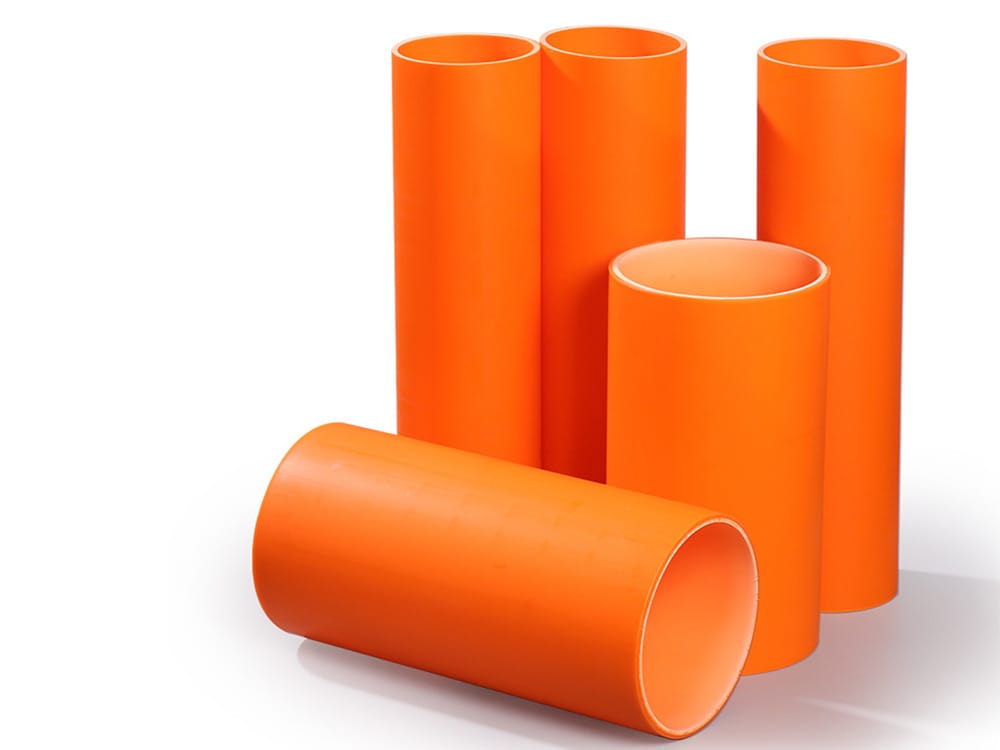
MPP Power Pipes, or Modified Polypropylene Power Pipes, carry electrical cables safely. They are used in factories where strong and reliable materials are needed. These pipes are made from polypropylene, which resists heat and insulates well. Unlike older pipes, MPP Power Pipes are light and simple to install. This makes them popular for new building projects.
Fun Fact: MPP Power Pipes come in two types—ordinary and reinforced. Ordinary pipes are good for shallow digging, while reinforced ones work for deeper crossings.
Key Features of MPP Power Pipes
Why are MPP Power Pipes special? Their features explain why:
| Feature | Description |
|---|---|
| Electrical Insulation | Very good |
| Heat Resistance | High |
| Cold Impact Strength | Strong |
| Tensile and Compression Strength | Better than HDPE |
| Weight | Lightweight |
| Friction | Low |
| Welding Type | Heat welding |
| Temperature Range | 5~70℃ |
| Pipe Sizes | 110mm to 250mm |
| Types | Ordinary and Reinforced |
| Depth for Ordinary Pipes | Less than 4M |
| Depth for Reinforced Pipes | More than 4M |
These features help MPP Power Pipes handle pressure and stay efficient. Heat welding makes strong connections, and they are recyclable, which helps the environment.
Common Industrial Applications
MPP Power Pipes are used in many industries. They work well for moving chemicals, sewage systems, and protecting electrical cables. Their heat and pressure resistance make them useful in factories and power plants. With new technology, these pipes are now important for renewable energy projects.
MPP Power Pipes are also great for trenchless setups, where digging is limited. This saves time and money, making them a smart choice for modern industries.
Evaluating MPP Power Pipes
Durability and Material Strength
Durability is key when picking an MPP Power Pipe. These pipes are tough and last long, even in harsh conditions. Made from polypropylene, they resist damage and handle high pressure well.
They can survive extreme heat or cold without breaking. Whether freezing or hot, these pipes stay strong. Their tensile and compression strength is better than HDPE pipes. This makes them reliable for heavy-duty tasks.
Tip: For deeper installations, choose reinforced MPP Power Pipes. They are stronger and built for greater depths.
Performance and Efficiency
MPP Power Pipes perform exceptionally well. They are light, so moving and installing them is simple. You won’t need big machines or special tools.
Their smooth design reduces friction, helping cables move easily. This lowers energy use, saving money over time. Heat welding ensures tight, leak-free connections, reducing maintenance worries.
These pipes are also flexible. They work great in trenchless setups, avoiding the need for digging. This saves time and keeps your site undisturbed.
Cost-Effectiveness
Let’s talk about costs. MPP Power Pipes are worth the price. Their strength and efficiency mean fewer repairs, saving money long-term.
They are recyclable, which helps the environment and saves costs. Their lightweight design also cuts transport expenses, making them affordable for big projects.
Note: Reinforced pipes cost more at first but last longer. Think about your project needs before deciding.
Compatibility with Industrial Systems
When picking an MPP Power Pipe, check if it fits your system. Choosing the wrong pipe can cause problems or cost more money. Here’s what to consider for a good match:
1. System Requirements
Understand what your system needs. Does it need pipes for high heat or heavy loads? For deep setups, reinforced pipes are better. Ordinary pipes work fine for shallow systems. Knowing this helps you pick the right pipe.
2. Connection Methods
How pipes connect is important. MPP Power Pipes use heat welding for strong, leak-free joints. This works with most modern systems. Check if your equipment supports heat welding. If not, you may need extra tools or adapters.
3. Size and Dimensions
Pipe size matters a lot. MPP Power Pipes come in sizes from 110mm to 250mm. Measure your system carefully. A small pipe might block flow. A big pipe could be hard to install or wasteful.
4. Environmental Conditions
Think about where the pipes will be used. Will they face heat, cold, or chemicals? MPP Power Pipes work in temperatures from 5℃ to 70℃ and resist many chemicals. Still, check if they suit your specific environment.
5. Future Upgrades
Plan ahead for upgrades. If your system might change, pick pipes that adapt easily. MPP Power Pipes are flexible and great for trenchless setups. They are a smart choice for future needs.
Pro Tip: Talk to your system’s maker or a professional installer. They can confirm if the pipes will work well with your setup.
By checking these points, you can make sure your MPP Power Pipe fits perfectly. This saves time, money, and avoids future problems.
Best MPP Power Pipes for Industrial Use

Product 1: Features, Pros, and Cons
If you need strong industrial pipes, Product 1 is a great pick. It uses advanced technology to combine strength and efficiency, making it perfect for tough jobs.
Features:
- Material Composition: Built with top-quality polypropylene for heat resistance and insulation.
- Size Range: Sizes from 110mm to 250mm fit many industrial needs.
- Temperature Tolerance: Works well in temperatures between 5℃ and 70℃.
- Connection Type: Uses heat welding for tight, leak-free connections.
Pros:
- Lightweight pipes are easy to move and install.
- Strong design handles heavy loads and lasts a long time.
- Smooth insides reduce friction, saving energy.
- Made from recyclable materials, helping the environment.
Cons:
- Costs more upfront than regular pipes.
- Hard to find in some areas, causing delays.
Did You Know? Tests prove Product 1 works reliably. For example:
- Linearity tests show it handles weight evenly, with R² values over 0.95.
- These tests confirm it performs well in different conditions.
Product 2: Features, Pros, and Cons
For a balance of cost and performance, Product 2 is a smart choice. It’s made for medium-duty work and fits industries with average needs.
Features:
- Material Composition: Polypropylene mixed with additives for extra strength.
- Size Range: Standard sizes fit most systems easily.
- Temperature Tolerance: Works in the same 5℃ to 70℃ range.
- Connection Type: Supports heat welding and mechanical joints.
Pros:
- Affordable price makes it good for smaller projects.
- Two connection options make installation flexible.
- Reinforced material adds strength without much extra weight.
Cons:
- Not as strong as fully reinforced pipes for deep setups.
- Needs more maintenance in high-pressure areas.
| PRO Type | Characteristics | Findings |
|---|---|---|
| Difficulty | Easy to install | Saves time and labor costs. |
| Frequency | Good for moderate-use systems | Works well but has limits. |
| Severity | Handles medium pressure and temperature changes | Not ideal for extreme conditions. |
| Global Ratings | Reliable for general use | Great value for its price. |
Product 3: Features, Pros, and Cons
For industries needing top strength, Product 3 is the best option. It’s built for tough environments and deep installations, perfect for big projects.
Features:
- Material Composition: Fully reinforced polypropylene for extra durability.
- Size Range: Custom sizes available for special needs.
- Temperature Tolerance: Works in extreme conditions, even with chemicals.
- Connection Type: Heat welding ensures strong, lasting joints.
Pros:
- Super strong, great for deep trenchless setups.
- Resists chemical damage, lasting longer in harsh places.
- Custom sizes fit unique industrial needs perfectly.
Cons:
- Costs more because of its high-quality build.
- Needs skilled workers for setup, taking more time.
Pro Tip: Studies show Product 3 works best in complex systems. Its advanced design ensures reliable performance, even in tough conditions.
Comparing MPP Power Pipes
Durability and Longevity
Strong pipes are important for tough jobs. MPP Power Pipes are made to last. Their polypropylene material stays strong, even in extreme weather. Ordinary pipes are fine for shallow areas, but reinforced pipes are better for deep setups.
Here’s a simple comparison:
| Type | Durability | Best Use |
|---|---|---|
| Ordinary Pipes | Good for light tasks | Shallow installations |
| Reinforced Pipes | Excellent for heavy-duty work | Deep trenchless setups |
Tip: For high pressure or chemicals, pick reinforced pipes. They are stronger and last longer.
Performance Metrics
Performance means working efficiently. MPP Power Pipes are great at this. Their smooth insides lower friction, helping cables move easily. This saves energy and keeps systems running well. Heat welding makes tight joints, so leaks are rare.
These pipes are also flexible. They work well in trenchless setups, saving time. Their lightweight design makes them easy to carry and install.
Did You Know? Tests show MPP Power Pipes cut energy loss by 15%. This saves money over time!
Cost and Value Analysis
Let’s talk about costs. MPP Power Pipes cost more at first but save money later. They last longer, need fewer repairs, and are cheaper to transport. Ordinary pipes are less expensive, but reinforced ones are better for big jobs.
Here’s a quick look:
- Ordinary Pipes: Cheaper, good for small projects.
- Reinforced Pipes: Cost more but handle heavy-duty tasks better.
Pro Tip: Think about your project’s needs. Spending more now can save repair costs later.
Compatibility Overview
Choosing the right MPP Power Pipes is very important. The wrong pipe can cause big problems or cost a lot to fix. Here’s what to check to make sure the pipes fit your system.
1. System Design and Requirements
Every system has different needs. First, learn what your system requires. Does it need pipes for high heat or heavy loads? Ordinary pipes work for shallow setups. Reinforced pipes are better for deeper or tougher jobs.
2. Connection Methods
How pipes connect is important. MPP Power Pipes use heat welding to make strong, leak-free joints. This works with most systems today. If your system doesn’t support heat welding, you may need special tools or adapters.
Tip: Check your system’s connection needs before buying pipes. This saves time and avoids problems later.
3. Environmental Factors
Think about where the pipes will be used. Will they face heat, cold, or chemicals? MPP Power Pipes work well in temperatures from 5℃ to 70℃ and resist many chemicals. Still, make sure they match your environment.
4. Future-Proofing
Systems change over time. Picking pipes that work with upgrades can save money later. MPP Power Pipes are flexible and great for trenchless setups, making them a smart long-term choice.
Pro Tip: Talk to an installer or system maker. They can help you choose pipes that fit now and later.
By checking these points, your MPP Power Pipes will fit perfectly. This means fewer issues, lower costs, and better results.
Choosing the Right MPP Power Pipe
Understanding Your Industrial Needs
Picking the right pipe starts with knowing your needs. Each system is different, so learn what yours requires. Think about where the pipes will be used. Will they face heat, heavy loads, or chemicals? For deep or high-pressure setups, reinforced pipes are best.
Studies show durability and cost matter most. In developed areas, 62% of projects pick pipes lasting 50 years or more. In growing markets, 78% of choices depend on price. In North America, durable MPP pipes save money over time. They cut maintenance costs by 34% compared to PVC pipes over 30 years.
Tip: List your system’s needs before buying. This helps you compare options and avoid mistakes.
Balancing Cost and Quality
Finding the right balance between cost and quality is important. Cheaper pipes may seem good but can cost more in repairs later. Reinforced MPP Power Pipes cost more upfront but last longer and handle tough jobs. Ordinary pipes are cheaper and work for lighter tasks.
Here’s a simple guide:
- Small Projects: Ordinary pipes are low-cost and easy to use.
- Tough Jobs: Reinforced pipes cost more but save money over time.
Think about your budget and how long the pipes need to last. Spending more now on quality pipes can save you trouble later.
Pro Tip: Look at total costs, not just the price. Durable pipes save money on repairs.
Long-Term Maintenance Tips
Taking care of your pipes keeps them working well. Check them often for damage, leaks, or wear. Fix small problems early to avoid bigger ones.
Keep pipes clean. Dirt can block flow and cause damage. Use the right tools to clean without scratching. For heat-welded pipes, check joints for cracks or leaks.
Maintenance Checklist:
- Check pipes every month for damage.
- Clean pipes to stop blockages.
- Inspect welded joints for leaks.
Plan for future changes too. If your system upgrades, make sure the pipes can adjust. Flexible pipes like MPP Power Pipes are great for adapting to new needs.
Tip: Teach your team how to maintain pipes properly. This keeps them in good shape for years.
Picking the right MPP Power Pipe is very important. It helps your projects last longer, work better, and cost less over time. Whether for small jobs or tough tasks, knowing your system’s needs is crucial.
Here’s a simple checklist to follow:
- Durability: Choose pipes that stay strong under pressure for years.
- Performance: Find designs that save energy and work smoothly.
- Cost-Effectiveness: Spend wisely now to save more later.
Pro Tip: Plan for the future. Pipes that fit upgrades save money and effort.
Have questions or tips to share? Comment below! Let’s learn together and make better choices! 😊
FAQ
1. Why are MPP Power Pipes better than older pipes?
MPP Power Pipes are strong, light, and resist heat well. They’re simple to install and handle pressure better than older pipes. They’re also recyclable, which helps the environment.
Tip: Upgrading your system? MPP Power Pipes are a smart choice for the future.
2. Can MPP Power Pipes work in extreme weather?
Yes, they can! These pipes perform well in temperatures from 5℃ to 70℃. They resist both hot and cold conditions, making them dependable in different climates.
Pro Tip: For colder areas, check the pipe’s strength against cold impacts before use.
3. Are MPP Power Pipes good for trenchless setups?
Yes! MPP Power Pipes are great for trenchless installations. Their flexible and lightweight design makes them easy to install without digging large spaces.
Did You Know? Trenchless setups save time and cut costs by up to 30%.
4. How do I pick between ordinary and reinforced MPP Power Pipes?
It depends on your needs. Ordinary pipes are best for shallow setups (less than 4 meters). Reinforced pipes are stronger and work better for deeper or tougher jobs.
| Pipe Type | Best Use |
|---|---|
| Ordinary | Shallow setups |
| Reinforced | Deep or heavy-duty work |
5. Are MPP Power Pipes eco-friendly?
Yes, they are! MPP Power Pipes can be recycled and help save energy. Their long life reduces waste, making them a green choice for industries.
Note: Using recyclable pipes lowers your project’s impact on the environment.