
In the ever-evolving landscape of construction and infrastructure, the search for reliable, efficient, and sustainable piping solutions has long been a priority for industry leaders, engineers, and policymakers alike. Steel Wire Mesh Polyethylene Composite Pipe (steel wire mesh composite PE pipe) is not just another piping product—it is a technological breakthrough that has reshaped how we approach fluid transport, infrastructure durability, and long-term project sustainability. More than a mere combination of materials, it represents a shift in industry thinking, bridging the gap between performance, cost-efficiency, and environmental responsibility to set new benchmarks for modern piping systems.

The Evolution of Piping: Why Traditional Solutions Fall Short
For decades, the piping industry relied on a limited range of materials, each with inherent flaws that compromised project longevity, efficiency, and adaptability. Pure steel pipes, while strong, were prone to corrosion, heavy to handle, and costly to maintain—requiring regular anti-corrosion treatments and replacement over time. Pure polyethylene (PE) pipes, on the other hand, offered corrosion resistance but lacked the structural rigidity needed for high-pressure applications and heavy-duty use. Galvanized pipes, once a staple, were phased out in many regions due to toxicity concerns and corrosion-related failures.
This gap in the market created a demand for a solution that could transcend these limitations—a product that could combine the best structural properties of steel with the versatility and durability of PE. Steel Wire Mesh Polyethylene Composite Pipe emerged as the answer, addressing the industry’s most pressing pain points and marking a significant step forward in piping technology.

A Technological Fusion: Beyond Material Combination
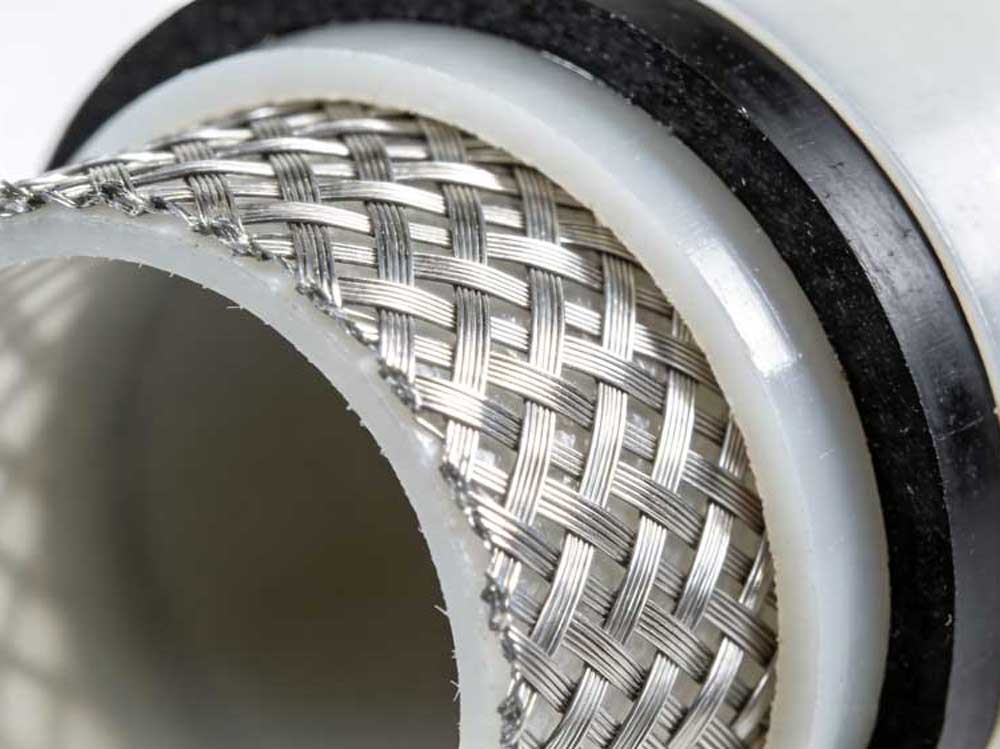
What sets Steel Wire Mesh Polyethylene Composite Pipe apart is not just the pairing of steel and PE, but the seamless integration of these materials to create a product that outperforms its components individually. The high-strength steel wire mesh core is not just a reinforcement—it is engineered to distribute pressure evenly, ensuring structural stability even in the most demanding environments. The outer and inner PE layers, bonded to the mesh via high-performance hot melt adhesive, form a protective barrier that eliminates corrosion, scaling, and wear, while maintaining a smooth flow path for fluids.
This fusion of materials is more than a technical detail; it is a reimagining of what piping can be. It eliminates the trade-offs that have plagued traditional pipes—no longer do project managers have to choose between strength and corrosion resistance, or durability and ease of installation. Instead, this composite pipe offers a holistic solution that aligns with the modern industry’s focus on efficiency, longevity, and reduced lifecycle costs.
Driving Infrastructure Sustainability and Cost Efficiency
In an era where sustainability and cost-effectiveness are non-negotiable, Steel Wire Mesh Polyethylene Composite Pipe has become a cornerstone of forward-thinking infrastructure projects. Its long design life—up to 50 years—dramatically reduces the need for frequent replacements, cutting down on material waste and construction disruption. Unlike steel pipes, it requires no ongoing anti-corrosion maintenance, reducing labor costs and minimizing environmental impact from chemical treatments.
The pipe’s lightweight design also contributes to its sustainability credentials. Weighing only 1/8 of a comparable steel pipe, it reduces the energy required for transportation and installation, lowering the carbon footprint of projects. Additionally, its recyclable PE components align with global green construction standards, making it a preferred choice for LEED-certified projects and sustainable infrastructure initiatives.
Shaping the Future of Piping: Market Impact and Industry Adoption
Steel Wire Mesh Polyethylene Composite Pipe has rapidly gained traction across global markets, driven by its ability to meet the evolving needs of diverse industries—from municipal infrastructure to industrial facilities, residential construction to agricultural development. Its adaptability to different environments, from harsh industrial settings to remote rural areas, has made it a versatile solution for projects of all sizes.
Industry adoption has been further fueled by its compliance with international and local standards, ensuring consistency and reliability across projects. As governments and organizations prioritize infrastructure resilience and sustainability, this composite pipe has emerged as a key enabler of long-term infrastructure planning. It is not just a product for today’s projects, but an investment in the future—reducing maintenance costs, minimizing downtime, and ensuring that infrastructure systems can withstand the test of time.
Beyond Piping: A Catalyst for Industry Innovation
Steel Wire Mesh Polyethylene Composite Pipe represents more than a better piping solution—it is a catalyst for innovation in the broader construction and infrastructure industry. Its success has inspired manufacturers to explore new composite material combinations, pushing the boundaries of what is possible in fluid transport. It has also raised the bar for industry standards, encouraging competitors to prioritize durability, sustainability, and user-centric design.
For project managers, engineers, and industry leaders, this pipe is more than a component of their projects—it is a tool to deliver better outcomes. It allows for more efficient project timelines, lower lifecycle costs, and infrastructure that is built to last. In a world where infrastructure needs are growing and resources are limited, Steel Wire Mesh Polyethylene Composite Pipe offers a path forward—one that balances performance, sustainability, and value.