
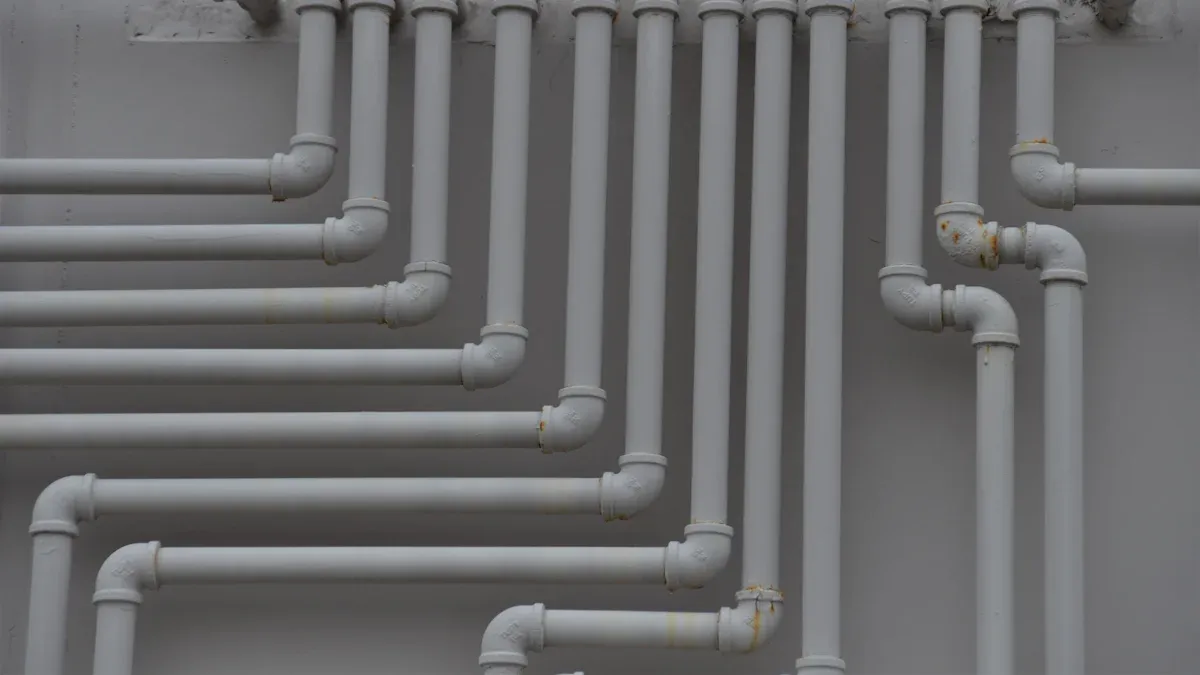
Schedule 40 and Schedule 80 PVC pipe fittings differ in wall thickness, pressure rating, and durability. Schedule 80 fittings have thicker walls, which makes them heavier and stronger for high-pressure or hazardous environments. Choosing the right fitting affects safety, performance, and cost. The table below shows key differences:
| Attribute | Schedule 40 | Schedule 80 |
|---|---|---|
| Wall Thickness | Thinner | Thicker |
| Pressure Rating | Lower | Higher |
| Durability | Durable | More durable |
| Price | Lower cost | Higher cost |
Key Takeaways
- Schedule 80 PVC fittings have thicker walls than Schedule 40, making them stronger and better for high-pressure systems.
- Both types share the same outside diameter, so most fittings can connect, but Schedule 80 has a smaller inside diameter that may affect flow.
- Schedule 40 fittings cost less and suit most home plumbing, while Schedule 80 fit industrial or harsh environments needing extra durability.
- Color helps identify fittings: Schedule 40 is white, Schedule 80 is gray, which prevents installation mistakes.
- Choosing the right schedule improves safety, saves money, and ensures long-lasting pipe systems.
Key Differences
Wall Thickness
Wall thickness is one of the most important differences between Schedule 40 and Schedule 80 PVC pipe fittings. Schedule 80 fittings have thicker walls than Schedule 40 fittings. This extra thickness gives Schedule 80 more strength and makes it better for high-pressure systems. The outside diameter stays the same for both schedules, but the inside diameter gets smaller as the wall gets thicker.
Here is a comparison for a 1-inch nominal pipe size:
| Nominal Pipe Size | Outside Diameter (inches) | Inside Diameter Schedule 40 (inches) | Wall Thickness Schedule 40 (inches) | Inside Diameter Schedule 80 (inches) | Wall Thickness Schedule 80 (inches) |
|---|---|---|---|---|---|
| 1 inch | 1.315 | 1.049 | 0.133 | 0.957 | 0.179 |
The thicker wall of Schedule 80 means it can handle more pressure, but it also reduces the flow space inside the pipe.
Pressure Ratings
Pressure rating tells how much force the pipe can handle from the inside. Schedule 80 PVC pipes fittings can handle higher pressure than Schedule 40. This makes Schedule 80 a better choice for industrial or commercial systems where safety is critical. Schedule 40 works well for most home plumbing and irrigation systems because it does not need to handle as much pressure.
- Schedule 40: Lower pressure rating, suitable for residential water lines and drainage.
- Schedule 80: Higher pressure rating, used in factories, chemical plants, and other demanding places.
Color and Appearance
Color and appearance help users quickly tell the difference between the two types. Schedule 40 PVC pipes fittings are usually white. Schedule 80 fittings are gray. This color coding helps prevent mistakes during installation.
Here is a quick visual comparison:
| Feature | Schedule 40 PVC | Schedule 80 PVC |
|---|---|---|
| Color | White | Gray |
| Wall Thickness | 0.133 inches | 0.179 inches |
| Durability | Standard | Thicker and more durable |
| Mechanical Protection | Standard | Superior |
| UV Resistance | Standard | Superior |
| Cost | Lower | Approximately 20-50% higher |
Both types have the same outside diameter, so they can connect with the same fittings. The thicker wall of Schedule 80 means the inside diameter is smaller, which can affect water flow.
What Is Pipe Schedule?
Definition
Pipe schedule refers to a standardized system that describes the wall thickness of pipes. The term “schedule” followed by a number, such as 40 or 80, tells how thick the pipe walls are. A higher schedule number means a thicker wall. For example, Schedule 80 pipes have thicker walls than Schedule 40 pipes, even if both have the same outside diameter.
The pipe schedule system helps builders, plumbers, and engineers choose the right pipe for each job. It ensures that pipes and fittings will fit together properly. The schedule number does not change the outside size of the pipe. Instead, the inside diameter is changed because the wall gets thicker as the schedule number increases.
Tip: Always check the pipe schedule before starting a project. This step helps prevent leaks and ensures the system can handle the needed pressure.
Why It Matters
Choosing the correct pipe schedule is important for safety, durability, and performance. Different jobs require different levels of strength and pressure resistance. For example, Schedule 40 PVC pipes work well for home water lines because they are affordable and easy to install. Schedule 80 PVC pipes, with their thicker walls, are better for factories and places where pipes must handle higher pressure or harsh chemicals.
Many industries rely on the pipe schedule system to make safe choices:
- Schedule 40 pipes are common in homes and businesses for water supply and drainage.
- Schedule 80 pipes are used in chemical plants, manufacturing, and water treatment facilities because they resist pressure, corrosion, and abrasion.
- Both types resist rust and last a long time, but Schedule 80 is preferred for heavy-duty jobs.
- The construction industry often chooses Schedule 80 when structural strength and leak-proof performance are critical.
Selecting the right schedule helps reduce maintenance, saves money, and keeps people safe. The pipe schedule system gives everyone a clear way to compare and select pipes for any project.
PVC Pipes Fittings Comparison
Interchangeability
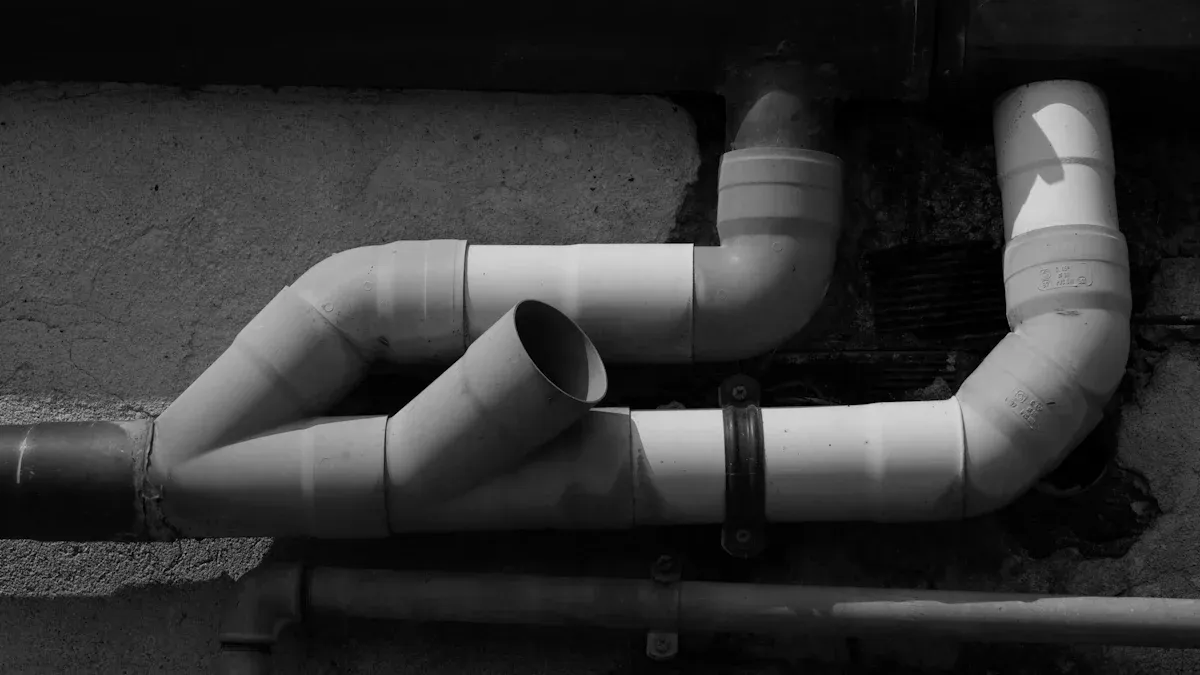
Schedule 40 and Schedule 80 PVC pipes fittings share the same outside diameter for each nominal pipe size. This means that most fittings can connect to either type of pipe. Standards like ISO 161 and ASTM D1785/F441 set these dimensions, so pipes and fittings from different manufacturers usually fit together.
- Both schedules use the same nominal sizes and outside diameters.
- Fittings are generally interchangeable between Schedule 40 and Schedule 80.
- Small differences in fitting molds may exist between brands, so checking manufacturer details helps ensure a good fit.
- Using Schedule 40 fittings on a Schedule 80 pipe system is not recommended for high-pressure jobs.
Tip: Always match the pressure rating of the fitting to the system’s needs for safety.
Material Strength
Wall thickness affects the strength of PVC pipes fittings. Schedule 80 fittings have thicker walls than Schedule 40. This extra thickness gives Schedule 80 more rigidity and allows it to handle higher pressure. In high-stress environments, Schedule 80 fittings resist cracking and breaking better than Schedule 40.
A thicker wall means the fitting can support more weight and pressure. This makes Schedule 80 a better choice for industrial or chemical systems. Schedule 40 works well for home plumbing where pressure stays low.
Durability
Durability depends on both the material and the wall thickness. Schedule 80 PVC pipes fittings last longer in harsh conditions because they resist impact and chemical damage better. The thicker wall protects against wear and tear. Schedule 40 fittings still offer good durability for everyday use, such as irrigation or drainage.
Note: For outdoor or exposed installations, Schedule 80 fittings provide better protection against sunlight and physical damage.
Applications
Residential Uses
Homeowners and builders often choose Schedule 40 PVC fittings for residential projects. These fittings offer a balance of strength, cost, and ease of installation. Many experts recommend Schedule 40 for most home plumbing and electrical conduit needs. The following points highlight why Schedule 40 is so popular in homes:
- Schedule 40 PVC conduit resists moisture and corrosion, making it ideal for wiring and plumbing.
- The material is lightweight, which makes installation faster and easier.
- Schedule 40 fittings cost less than metal alternatives and require less maintenance.
- Builders find Schedule 40 reliable for water supply, drainage, and irrigation systems.
- A case study showed that replacing old metal conduit with Schedule 40 PVC improved safety and reduced repair costs in an older home.
- Schedule 80 fittings, with thicker walls, provide extra impact resistance and suit areas exposed to harsh conditions or higher pressure.
Market analysis shows that Schedule 40 remains the primary choice for residential plumbing. However, Schedule 80 is gaining attention for special cases where higher pressure or extra durability is needed.
Commercial and Industrial Uses
Schedule 80 PVC fittings play a major role in commercial and industrial settings. Industry trend reports show that businesses in chemical processing, manufacturing, oil and gas, and HVAC systems rely on these fittings for their durability and chemical resistance. The commercial sector uses PVC fittings in office buildings, hotels, and retail spaces because they provide reliable plumbing and HVAC solutions. Industrial applications benefit from the material’s resistance to corrosion and chemicals. Market data reveals that industrial use accounts for the largest share of PVC fittings revenue. The North American market leads in demand, driven by construction, oil and gas, and infrastructure projects. As cities grow and water management needs increase, the demand for strong, cost-effective PVC fittings continues to rise.
Environmental Considerations
PVC pipe fittings offer several environmental benefits. Both Schedule 40 and Schedule 80 resist rust and corrosion, which helps systems last longer and reduces waste. Their lightweight design lowers transportation energy and costs. Many manufacturers now recycle PVC scrap, reducing landfill impact. However, users should note that PVC production involves chemicals that require careful handling. Proper installation and disposal help minimize environmental risks. Choosing the right schedule for the job also prevents unnecessary waste and ensures long-term system performance.
Cost and Availability
Price Differences
Schedule 40 and Schedule 80 PVC pipe fittings have different price points. Schedule 40 fittings cost less because they use less material. Schedule 80 fittings have thicker walls, so they require more PVC and cost more to produce. This difference affects the total cost of a project.
Here is a simple price comparison for a 1-inch elbow fitting:
| Fitting Type | Average Price (per piece) |
|---|---|
| Schedule 40 (1-inch) | $1.00 – $1.50 |
| Schedule 80 (1-inch) | $2.00 – $2.75 |
Note: Prices can change based on location, brand, and order size.
Schedule 80 fittings often cost 20% to 50% more than Schedule 40. Large projects that use many fittings will see a bigger price difference. Homeowners usually choose Schedule 40 for basic plumbing to save money. Contractors and engineers pick Schedule 80 when they need extra strength or higher pressure ratings.
Some factors that affect price include:
- Material thickness
- Brand reputation
- Special features, such as chemical resistance
Bulk purchases may lower the price per fitting. Some suppliers offer discounts for large orders.
Where to Buy
Many stores and suppliers sell both Schedule 40 and Schedule 80 PVC fittings. Home improvement stores like Home Depot and Lowe’s carry a wide range of sizes and types. Local plumbing supply shops also stock these fittings. Online retailers such as Amazon, SupplyHouse, and Grainger offer even more options.
- Home improvement stores: Good for small projects and quick purchases.
- Plumbing supply stores: Offer expert advice and special-order items.
- Online retailers: Provide a large selection and easy price comparisons.
Tip: Always check the product description to confirm the schedule and size before buying.
Some industrial suppliers sell Schedule 80 fittings in bulk for commercial projects. Homeowners can find Schedule 40 fittings in most hardware stores. For special needs, such as chemical resistance or high-pressure systems, buyers should contact specialty suppliers.
Choosing the Right Fitting
Assessing Needs
Selecting the right PVC pipes fittings starts with understanding the specific needs of the project. Builders and homeowners should consider the type of system, the environment, and the safety requirements. Technical guides and consumer reports show that manufacturers test PVC products through millions of quality control checks. These fittings meet strict standards set by organizations like NSF International and the EPA. They do not contain harmful chemicals such as phthalates. This makes them safe for water distribution and other sensitive uses.
Durability and corrosion resistance matter for long-term performance. For example, a water supply line in a home needs fittings that resist rust and last for years. In a factory, the system may need to handle chemicals or higher pressures. By checking certifications and safety ratings, users can match the fitting to the job. Builders should also look at the size and shape of the fitting to ensure it fits the system design.
Tip: Always review technical data sheets and certifications before making a final choice.
Pressure and Chemical Factors
Pressure and chemical exposure play a big role in choosing PVC pipes fittings. Not all fittings work well under the same conditions. Engineering studies and chemical compatibility charts, such as those from the Cole-Parmer Chemical Compatibility Database, offer helpful guidance:
- The database lists how PVC reacts to different chemicals, but ratings only apply to short-term exposure.
- Temperature, pressure, and chemical concentration can change how well a fitting performs.
- The database warns that using the wrong fitting can lead to leaks or equipment failure.
- Users should always check if the fitting can handle both the pressure and the chemicals in their system.
- The database does not guarantee that a fitting will work in every situation, so careful evaluation is important.
For example, Schedule 80 fittings have thicker walls and handle higher pressure. They work better in chemical plants or places with harsh cleaning agents. Schedule 40 fittings suit most home plumbing jobs where pressure stays low and chemicals are not a concern.
Note: Always match the fitting’s pressure rating and chemical resistance to the system’s needs.
Final Tips
Experts recommend several best practices when selecting PVC pipes fittings for any application:
- Choose the right orientation, such as straight, right angle, or multi-point, to fit the system layout.
- Check the size and measurement system (inch or metric) to ensure compatibility.
- Select the material based on the environment. Stainless steel works best for areas with strong chemicals. Nickel-plated brass offers durability for mechanical stress. Plastic, including PVC, is lightweight and suits general use.
- Match tubing diameter, length, and flow rate to the application. Consider flexibility and material properties.
- PVC tubing is popular in medical settings because it is flexible, resists chemicals, and can be sterilized.
- Always consider material compatibility, pressure needs, and sizing standards.
Schedule 40 and Schedule 80 differ mainly in wall thickness. Schedule 40 fits general use, while Schedule 80 handles higher pressure and tougher environments. Understanding these differences helps users make safe and effective choices.
Technical catalogs and application guides from manufacturers provide detailed information about fitting specifications. These resources include case studies and technical data to help users select the right product for their needs.
Remember: Careful planning and checking technical details lead to safer, longer-lasting systems.
Schedule 40 and Schedule 80 PVC pipe fittings differ in wall thickness, pressure rating, and durability. Choosing the right fitting ensures safety and long-term performance. Professionals recommend:
- Matching fittings to the system’s pressure and chemical needs.
- Using certified installers for complex or high-pressure projects.
- Relying on manufacturer warranties and certifications for quality assurance.
Case studies show that expert installation and proper selection improve durability, prevent leaks, and support operational safety in both residential and commercial settings.
FAQ
What is the main difference between Schedule 40 and Schedule 80 PVC fittings?
Schedule 80 fittings have thicker walls than Schedule 40. This makes Schedule 80 stronger and able to handle higher pressure. Both types have the same outside diameter.
Tip: Always check the pressure rating before choosing a fitting.
Can Schedule 40 and Schedule 80 fittings connect together?
Yes, both types share the same outside diameter. Most fittings will connect without problems. However, Schedule 80 has a smaller inside diameter, so water flow may change.
Are Schedule 80 PVC fittings better for outdoor use?
Schedule 80 fittings offer better protection against sunlight and impact. Many builders use them outdoors for extra durability. Schedule 40 works well for most indoor or low-stress outdoor jobs.
Do Schedule 80 fittings cost much more than Schedule 40?
Schedule 80 fittings usually cost 20% to 50% more than Schedule 40. The thicker wall uses more material. For large projects, this price difference can add up quickly.