
Discover PVC pipes: durable, cost-effective plastic plumbing solutions. Learn key benefits, applications & why they're essential for corrosion-resistant modern residential & commercial systems.
Key Takeaways
To summarize the core attributes and significance of PVC pipes in contemporary plumbing systems:
- Material Composition:PVC pipes are manufactured from polyvinyl chloride, a robust thermoplastic polymer offering exceptional durability and longevity.
- Cost-Effectiveness:They represent a highly economical solution compared to traditional metal piping, significantly reducing material and installation expenses.
- Superior Corrosion Resistance:Unlike metal alternatives, PVC pipes are inherently immune to rust and corrosion, ensuring long-term system integrity and preventing water contamination.
- Chemical Stability:Their resistance to a wide range of chemicals makes them reliable for diverse water supply and drainage applications.
- Versatile Applications:PVC piping systems are essential components in both modern residential construction (water supply, waste lines, irrigation) and complex commercial/industrial projects (drainage, venting, chemical transport).
- Installation Efficiency:Their lightweight nature and ease of joining (using solvent cement or threaded fittings) contribute to faster, less labor-intensive installations.
These fundamental characteristics establish PVC pipes as a cornerstone material for efficient, reliable, and cost-conscious plumbing infrastructure across various sectors.
PVC Pipes Defined
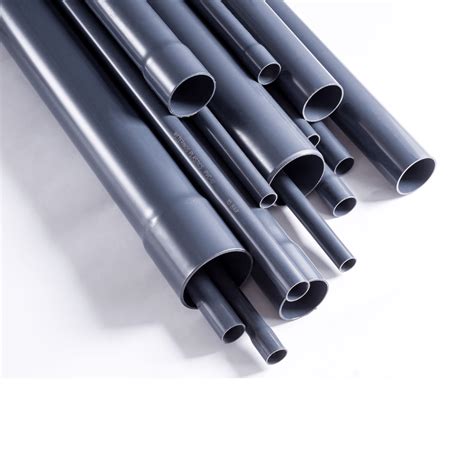
Polyvinyl Chloride (PVC) pipes represent a category of synthetic plastic piping systems engineered for fluid transport across residential, commercial, and industrial environments. Composed of thermoplastic polymer resins, these pipes are manufactured through extrusion processes that yield rigid yet lightweight tubular structures. Standardized under international specifications like ASTM D1785 and ISO 4422, PVC pipes exhibit uniform dimensional stability across varying pressure classes—commonly categorized as Schedule 40 (standard duty) and Schedule 80 (heavy duty). Their fundamental design integrates smooth interior surfaces to minimize flow resistance and threaded/external coupling ends for secure jointing.
Primary material properties include non-conductive electrical insulation and intrinsic inertness to electrochemical reactions, establishing foundational corrosion resistance. While typically white or gray for visual identification, compound formulations may incorporate UV stabilizers for outdoor applications. The following table outlines core PVC pipe classifications:
| Classification | Pressure Rating (PSI) | Common Wall Thickness | Temperature Tolerance |
|---|---|---|---|
| Schedule 40 | 120-450 | 0.068″-1.500″ | 60°C (140°F) |
| Schedule 80 | 210-630 | 0.095″-2.000″ | 60°C (140°F) |
| CPVC* | 100-400 | 0.042″-0.720″ | 93°C (200°F) |
*Chlorinated Polyvinyl Chloride variant for elevated thermal demands
This standardized manufacturing enables consistent performance in pressurized water distribution, drainage networks, and chemical conveyance systems. Subsequent sections detail how these inherent material characteristics translate into functional advantages within modern plumbing infrastructures.
Durable Plastic Plumbing Solutions
The inherent durability of PVC pipes stems directly from their unique molecular structure. This plastic composition grants them exceptional resistance to a wide range of stresses encountered in plumbing environments. Unlike more brittle materials, PVC exhibits significant impact strength, minimizing the risk of cracks or breaks during handling, installation, or from accidental knocks during service life. Furthermore, their smooth interior walls are not susceptible to pitting or scaling, maintaining consistent flow rates and pressure over decades. This robustness extends to withstanding internal water pressure fluctuations common in municipal supply lines and resisting the external pressures encountered when buried underground. Crucially, PVC pipes demonstrate remarkable longevity precisely because they are inherently immune to the electrochemical reactions that cause corrosion and rust in metal alternatives, a key factor contributing to their widespread adoption. This combination of physical toughness and chemical inertness ensures reliable performance, reducing maintenance needs and potential system failures over the long term.
Cost-Effective Pipe Systems
The economic advantages of PVC pipes form a cornerstone of their widespread adoption in plumbing systems. Material costs are significantly lower compared to traditional metal pipes like copper or galvanized steel, offering immediate budget relief on project estimates. Moreover, the lightweight nature of PVC drastically reduces installation time and labor expenses. Crews can handle and join sections far more quickly and with simpler tools, eliminating the need for specialized welding or threading equipment. This translates directly into lower overall project costs. Furthermore, the inherent resistance to corrosion and scaling minimizes the need for costly maintenance, repairs, or premature replacements that often plague metal systems exposed to aggressive water chemistries or soil conditions. The long service life ensures these upfront savings compound over decades.
Industry professionals consistently note that the reduced labor hours during installation often represent the most substantial cost saving when switching to PVC, particularly in large-scale commercial projects.
This combination of lower material expense, faster installation, and minimal lifetime maintenance establishes PVC as a highly cost-effective solution across both residential and commercial applications, freeing capital for other project aspects.
Corrosion-Resistant Plumbing Essentials
Building on the inherent durability and cost-effectiveness of PVC pipes, their exceptional resistance to corrosion represents a fundamental advantage for modern plumbing systems. Unlike traditional metal pipes, such as iron, copper, or galvanized steel, PVC is completely immune to rust and electrochemical degradation. This inherent property eliminates a major cause of pipe failure and water contamination over time. Exposure to aggressive elements like acidic soils, harsh chemicals commonly found in wastewater, or even naturally corrosive water supplies poses no threat to PVC’s integrity. Consequently, plumbing systems constructed with PVC pipes maintain consistent water flow and purity for decades, avoiding the leaks, blockages, and costly repairs often associated with corroding metal alternatives. This reliability translates directly into lower long-term maintenance expenses and uninterrupted service, making corrosion resistance not just a feature, but a core essential for sustainable and safe water delivery in both homes and businesses.
Residential PVC Plumbing Uses
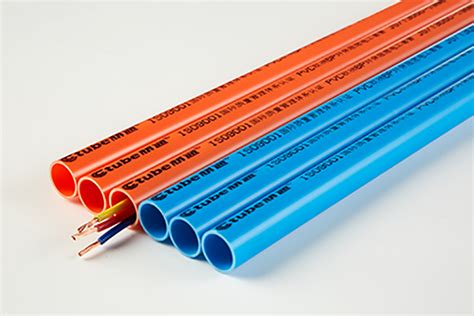
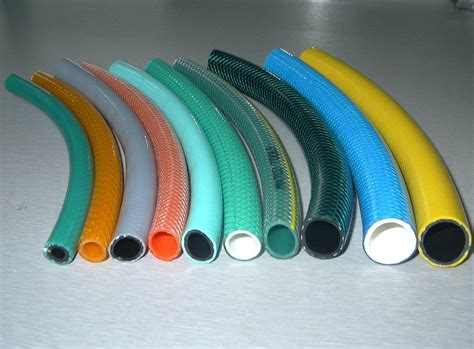
Within modern homes, PVC pipes serve as the backbone for numerous essential plumbing functions, offering reliable and long-lasting solutions. Their primary application lies in Drain-Waste-Vent (DWV) systems, effectively carrying wastewater and sewage away from sinks, toilets, showers, and appliances to the main sewer or septic line. The smooth interior walls of PVC pipes prevent clogs caused by debris buildup and their inherent corrosion resistance ensures decades of trouble-free service, unlike traditional metal alternatives that can rust and leak. Furthermore, PVC is extensively used for main water supply lines running into the house and for distributing cold water throughout the structure, thanks to its safety for potable water and resistance to scaling. Outdoor residential uses are also significant, including irrigation systems for gardens and lawns, as well as conduit for protecting electrical wiring. The combination of durability, ease of installation, and cost-effectiveness makes PVC the preferred material for these critical residential infrastructure components.
Commercial Pipe System Applications
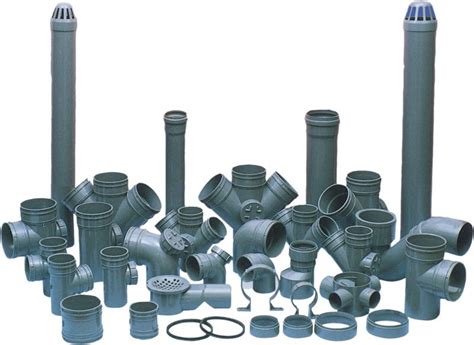
Transitioning beyond residential settings, PVC pipes demonstrate exceptional versatility across diverse commercial environments where reliability, safety, and cost management are paramount. In hospitality facilities like hotels and restaurants, PVC is extensively utilized for sanitary drainage, vent systems, and potable water distribution due to its smooth interior walls that resist scaling and maintain consistent flow rates. Healthcare institutions rely on PVC piping for critical applications including laboratory waste lines, medical gas distribution (where code-compliant), and general plumbing, capitalizing on its inherent corrosion resistance which prevents metallic contamination. Furthermore, within industrial facilities and manufacturing plants, PVC pipes serve vital roles in chemical drainage systems, process water transport, and ventilation ducting, effectively handling various non-corrosive fluids and fumes while offering significant installation and long-term maintenance savings compared to traditional metal alternatives. Their lightweight nature simplifies handling in large-scale projects common to commercial construction, significantly reducing labor costs and project timelines.
PVC vs Metal Pipe Advantages
Building on PVC’s versatility across residential and commercial settings, its advantages become particularly evident when compared to traditional metal piping systems like copper or galvanized steel. The most significant benefit lies in PVC’s inherent corrosion resistance. Unlike metal pipes, which are susceptible to rust and mineral buildup over time, PVC remains unaffected by water chemistry, ensuring consistent water flow and preventing premature failure due to internal degradation. This translates directly into lower long-term maintenance costs and extended system lifespan.
Furthermore, PVC pipes offer substantial installation advantages. Their lightweight nature, typically around 50% lighter than equivalent metal pipes, makes them significantly easier to transport, handle, and maneuver on-site, reducing labor requirements and physical strain. The solvent welding process used for joining PVC sections is generally faster, cleaner, and requires less specialized skill than soldering copper or threading steel, speeding up project timelines. While the material cost is often lower, the combined savings from easier handling, faster installation, and reduced maintenance needs contribute significantly to PVC’s overall cost-effectiveness compared to metal alternatives for many modern plumbing applications.
Installing PVC Pipes Properly
Realizing the full benefits of PVC piping systems requires careful attention to installation procedures. Correct practices ensure long-term performance and prevent common issues such as leaks or joint failures. The process begins with precise measurements and clean, square cuts using a dedicated plastic pipe cutter or fine-toothed saw; deburring the cut ends is essential to remove any rough edges that could compromise joint integrity. Applying the correct type and amount of solvent cement is critical: thoroughly clean both the pipe end and fitting socket with primer (where required by code), then apply a uniform layer of cement to both surfaces before swiftly inserting the pipe with a slight twisting motion to distribute the cement evenly. Hold the joint firmly for several seconds to prevent push-out. Support spacing is vital to prevent sagging – follow manufacturer guidelines or local plumbing codes for appropriate hanger intervals. Always account for thermal expansion by incorporating expansion joints or loops in longer runs, especially in environments with significant temperature fluctuations. Allow adequate curing time before pressurizing the system, as rushing this stage is a frequent cause of premature joint failure. Proper installation maximizes the inherent durability and leak resistance of the material.
Conclusion
PVC pipes have fundamentally reshaped modern plumbing through their exceptional combination of durability, cost-effectiveness, and resistance to corrosion. Their lightweight nature simplifies handling and installation, significantly reducing labor costs compared to traditional metal alternatives. This inherent resistance to chemical degradation ensures long-term reliability and minimal maintenance needs across diverse environments, from demanding commercial settings to sensitive residential water supply lines. The material’s versatility supports a wide range of applications, including efficient drainage systems, safe potable water distribution, and effective conduit protection. As the demands for sustainable, reliable, and affordable infrastructure continue to grow globally, PVC piping remains an essential solution, underpinning efficient water management and waste removal in contemporary construction projects. Their proven performance solidifies their position as a cornerstone material within the plumbing industry.
Frequently Asked Questions
Common inquiries about PVC pipes in plumbing systems include:
What is the typical lifespan of PVC pipes in residential use?
Properly installed PVC plumbing can last 50 years or more due to its exceptional resistance to corrosion, scaling, and chemical degradation compared to traditional metal pipes.
Are PVC pipes safe for drinking water distribution?
Yes, PVC pipes certified to NSF/ANSI Standard 61 for potable water are rigorously tested and deemed safe for transporting drinking water in both homes and commercial buildings.
What temperature limitations apply to PVC pipes?
Schedule 40 PVC pipe is generally rated for continuous use with fluids up to 140°F (60°C), while Schedule 80 offers slightly higher temperature tolerance. Exceeding these limits can compromise integrity.
How are PVC pipe joints typically sealed?
Joints are most commonly sealed using solvent cement welding, which chemically fuses the pipe and fitting together to create a permanent, watertight bond stronger than the pipe itself. Threaded connections are also used for specific applications.
How can I identify the correct type of PVC pipe?
PVC pipes are marked along their length with information including the nominal size, schedule (e.g., SCH 40, SCH 80), pressure rating, compliance standards (like NSF-PW or ASTM), and the manufacturer’s name or code.