

PPR Fittings play a key role in sustainable construction. Builders select these materials because they help protect the environment. The right choice of pipes and connectors can lower pollution and save resources. Many professionals now look for solutions that keep people safe and reduce waste. Using safe materials in plumbing supports green building goals and makes a positive impact on the planet.
Key Takeaways
- PPR fittings use recyclable, non-toxic materials that protect water quality and reduce waste.
- Their lightweight design lowers transportation emissions and makes installation easier and faster.
- Energy-efficient production and durable materials help save energy and reduce pollution over time.
- Strong, leak-proof joints prevent water loss and support long-lasting plumbing systems.
- Compared to metal and PVC pipes, PPR fittings offer better environmental benefits and lower maintenance costs.
PPR Fittings Benefits
Recyclable Materials
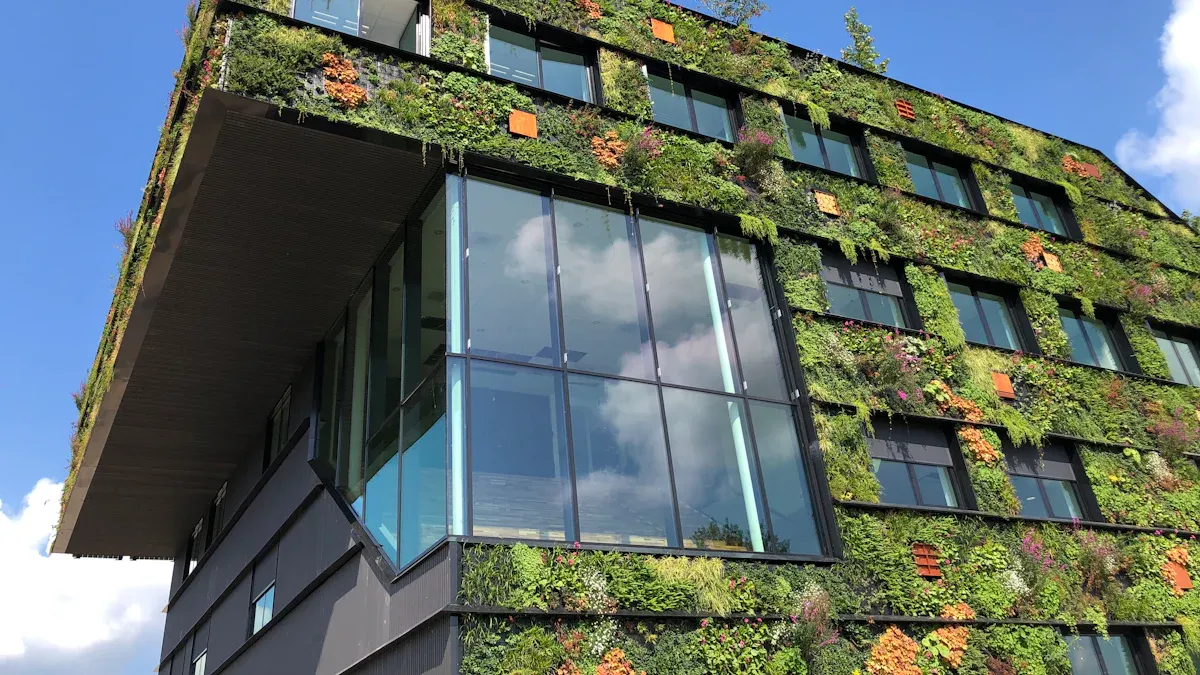
PPR fittings support sustainable construction by using materials that can be recycled. Manufacturers create these fittings from polypropylene, a plastic that can be processed and reused. This process helps reduce the amount of waste that ends up in landfills. When builders choose recyclable materials, they help protect natural resources and lower the demand for new raw materials. Recycling also saves energy compared to making new products from scratch. Many construction projects now focus on using products that fit into a circular economy, where materials get reused instead of thrown away.
Non-Toxic and Safe
Safety is a top priority in green building. PPR fittings meet strict standards for health and safety. They do not contain harmful chemicals like lead or cadmium. The materials used are food grade and hygienic, making them safe for drinking water systems. These fittings resist acids, corrosion, and chlorides, which helps keep water clean and prevents pollution. The raw materials are 100% virgin PPR, so there are no dangerous additives. Builders trust these fittings because they do not leach harmful substances into water or the environment.
Key Facts:
- Made from high-quality polypropylene copolymer, free from toxic chemicals.
- Excellent chemical resistance prevents leaching and pollution.
- Comply with global environmental standards for safety and eco-friendliness.
Lightweight and Efficient Transport
PPR fittings weigh much less than metal or concrete alternatives. This lighter weight makes them easier to move and install. Trucks can carry more fittings in one trip, which reduces the number of trips needed. Fewer trips mean less fuel used and lower emissions. Construction teams save time and energy during installation because the fittings are easy to handle. Lightweight materials help lower the overall carbon footprint of a building project.
PPR fittings also support pollution-free fluid transport. Their smooth inner surfaces prevent buildup and blockages, which keeps water flowing cleanly. This feature helps maintain water quality and reduces the need for repairs or replacements.
Energy Efficiency
Low Production Energy
Manufacturers use advanced technology to make pipe fittings with less energy. Automation and smart machines help control the production process. These tools reduce the need for manual labor and make each step more efficient. Factories now use recycled materials that keep the product strong and safe. This choice saves energy because it takes less power to recycle than to make new plastic from scratch. Many companies also use precise tools during installation. These tools help workers use only the amount of material they need, which cuts down on waste. Cleaner production methods have become common as environmental rules get stricter. These changes show a strong move toward energy-saving practices in the industry.
Tip: Choosing products made with energy-efficient methods helps lower the carbon footprint of any building project.
Reduced Emissions
Energy-efficient production does more than save power. It also means fewer greenhouse gases go into the air. Factories that use less energy release less carbon dioxide and other harmful gases. New machines and better planning help companies meet strict environmental standards. Many manufacturers now track their emissions and look for ways to cut them even more. Using recycled materials also helps because it keeps waste out of landfills and reduces the need for new raw materials. When builders pick these fittings, they support a cleaner environment and help fight climate change.
| Benefit | Impact on Environment |
|---|---|
| Lower energy use | Less fossil fuel burned |
| Fewer emissions | Cleaner air |
| Recycled materials | Less landfill waste |
| Efficient installation | Reduced material waste |
Energy-efficient production and reduced emissions make these fittings a smart choice for anyone who wants to build green.
Long Service Life
Durability and Corrosion Resistance
Durability stands as a major advantage for modern piping systems. Polypropylene pipes show strong resistance to many forms of damage. They do not rust or corrode when exposed to water, chemicals, or changing temperatures. This makes them a reliable choice for both hot and cold water systems. Many tests show that these pipes can last for over 50 years, even under high pressure and temperature. The material’s low thermal conductivity helps reduce heat loss, which improves energy efficiency over time.
A closer look at performance data highlights these strengths:
- Piping systems remain functional for more than 50 years across a wide range of temperatures and pressures.
- The smooth inner surface prevents scaling and flaking, which keeps water flowing freely.
- High resistance to abrasion, chemicals, and electrolytes outperforms traditional metal and plastic pipes.
- Pipes withstand impacts in cold weather without cracking, unlike some other plastics.
- Welded joints create leak-proof connections, reducing the risk of water damage.
Field tests confirm these findings. For example, hydrostatic pressure resistance reaches 5 MPa at 70°C over 50 years for advanced materials. Tensile strength ranges from 8 to 13 MPa, with reinforced pipes showing the highest values. Pipes with special reinforcements, such as basalt fiber, display very low thermal expansion, which helps them last longer under temperature changes.
Note: The combination of chemical resistance, mechanical strength, and stable performance under stress ensures that these pipes meet global standards for durability.
Fewer Replacements Needed
Long-lasting pipes mean fewer replacements and less maintenance. In most homes and buildings, these systems last more than 50 years. Fused joints help prevent leaks and separation, which lowers the need for repairs. Unlike copper or steel, polypropylene pipes do not corrode or rust, so they avoid common problems that require frequent fixes.
- The smooth interior surface stops deposits and clogs, which are common in metal pipes.
- These pipes handle higher temperatures better than PVC and do not become brittle.
- Chemical resistance means fewer issues compared to some other plastics.
- Lightweight design and easy installation reduce labor and repair costs.
Many building owners notice lower maintenance bills over time. The need for fewer replacements supports both cost savings and environmental goals. Reliable performance in residential, industrial, and municipal systems shows that these pipes offer a smart, long-term solution.
Water Conservation
Leak-Proof Connections
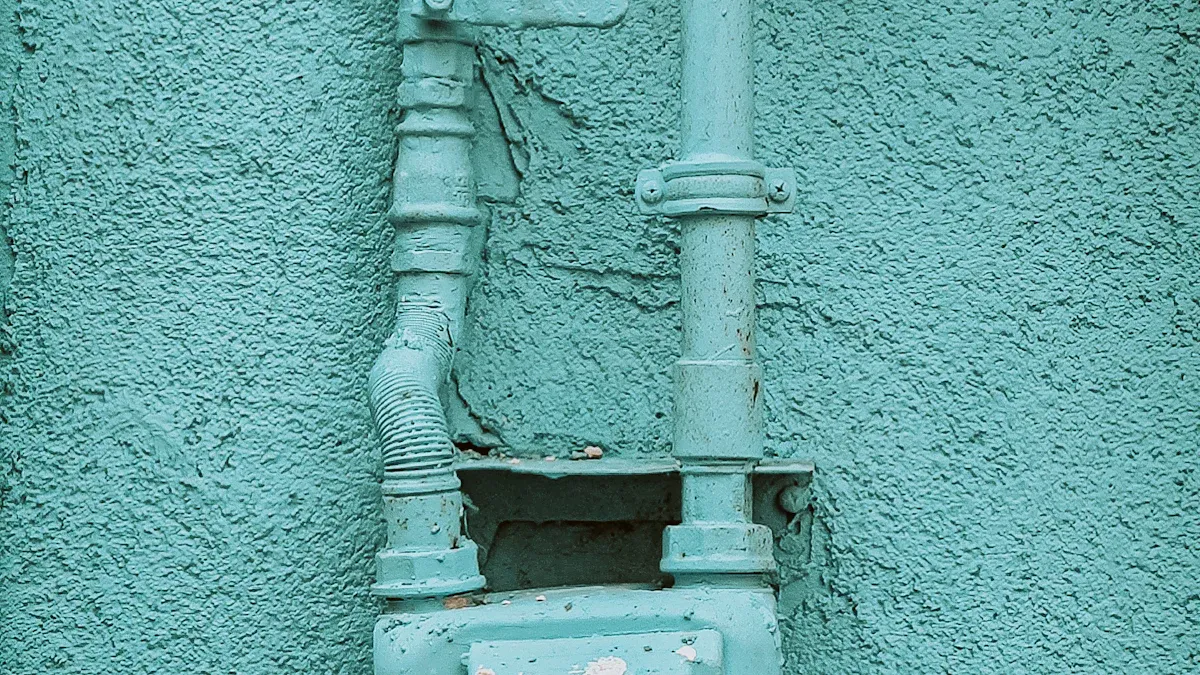
Water conservation starts with stopping leaks. Many modern piping systems use heat fusion technology to create strong, seamless joints. This process melts the pipe and fitting together, forming a single piece. The result is a joint that does not leak or corrode. In one project, workers installed 3,500 feet of pipe and found zero leaks after finishing the job. This shows how well these connections work.
Several features help prevent water loss:
- Heat fusion creates a joint with no weak spots.
- The material resists acids, alkalis, and other chemicals, so the joints stay strong.
- Proper installation uses special tools and careful steps, like cutting and heating at the right temperature.
- The smooth inside surface keeps water flowing and stops buildup that can cause pressure loss.
Tip: Leak-proof joints save water and lower repair costs over time.
Smart piping systems now use sensors to watch for leaks. These sensors check temperature, pressure, and flow. If they find a problem, they alert workers early. This helps stop water loss before it becomes serious.
Water Quality Protection
Clean water matters for every building. Pipes with smooth surfaces do not let dirt, scale, or biofilm build up inside. This self-cleaning action keeps water moving and flushes out debris. The high flow rate also helps remove any small particles.
Some materials have antibacterial properties. These stop bacteria from growing inside the pipes. This means the water stays cleaner and safer to drink. Research shows that these systems work well in homes, schools, and factories.
- Smooth surfaces prevent buildup and keep water clean.
- Antibacterial features lower the risk of waterborne diseases.
- High flow rates help flush out contaminants.
Note: Clean pipes protect health and support green building standards.
Many green building programs, like LEED and BREEAM, accept these systems because they help save water and keep it safe.
PPR Fittings vs. Alternatives
Environmental Impact
Builders often compare PPR fittings with traditional materials like PVC, CPVC, and metal pipes. Each material affects the environment in different ways. PPR fittings use polypropylene, which is lightweight and corrosion-resistant. However, when reinforced with aluminum or fiberglass, recycling becomes more difficult. PVC pipes contain chlorine and additives, making recycling complex and less eco-friendly. Metal pipes need a lot of energy for production and often corrode, which can release harmful substances into water systems. CPVC pipes stand out for their energy efficiency and easy recyclability.
The table below shows how these materials compare:
| Aspect | PPR Fittings | PVC (Rigid) | CPVC | Metal Pipes |
|---|---|---|---|---|
| Energy Use in Production | Higher (with reinforcement) | Moderate | Lowest among these options | Highest (metal extraction/processing) |
| Recyclability | Difficult (if reinforced) | Limited (chlorine/additives) | Easy | Possible, but limited by corrosion |
| Toxicity | Low, but fire/chlorine exposure risk | Contains chlorine | Non-toxic, safe | May release toxic metals |
| Durability & Strength | Corrosion-resistant, lower strength | Strong, but less impact resistant | Durable, corrosion-resistant | Strong, but needs maintenance |
- PPR fittings offer high impact resistance and low water absorption.
- PVC pipes have higher tensile strength but are less recyclable.
- Metal pipes last long but harm the environment during production.
Green Building Advantages
Green building standards focus on materials that save resources and protect health. PPR fittings support these goals by offering safe, non-toxic water transport. Their smooth surfaces prevent buildup and keep water clean. Many green building programs accept PPR systems because they help conserve water and reduce maintenance needs.
PPR fittings also fit into a closed-loop economy. Manufacturers can recycle pure polypropylene, reducing waste. Although reinforced PPR is harder to recycle, it still offers better performance than many traditional materials. Builders who choose PPR help lower the carbon footprint of their projects and support sustainable construction.
Tip: Choosing the right piping system can make a big difference in a building’s environmental impact and long-term costs.
PPR Fittings help builders create sustainable buildings. These fittings last a long time and keep water clean. They use safe materials that protect the environment. Many green projects choose PPR Fittings because they save energy and reduce waste. Builders can make a difference by picking eco-friendly products. Choosing sustainable materials supports a healthier planet for everyone.
🌱 Make every project greener by selecting materials that care for the earth.
FAQ
What makes PPR fittings eco-friendly?
PPR fittings use recyclable polypropylene. They do not release harmful chemicals. These fittings last a long time and help reduce waste. Builders choose them to support green building goals.
Tip: Using recyclable materials helps protect the environment.
Can PPR fittings be used for drinking water?
Yes, PPR fittings are safe for drinking water. They do not contain toxic substances. The smooth surface keeps water clean and free from contamination.
How do PPR fittings help save water?
PPR fittings create leak-proof joints. This stops water loss and helps conserve water. Sensors can also detect leaks early, which prevents waste.
| Feature | Benefit |
|---|---|
| Leak-proof | Saves water |
| Durable | Fewer repairs |
Are PPR fittings better than metal or PVC pipes?
PPR fittings resist corrosion and last longer than metal pipes. They do not contain chlorine like PVC. Builders find them easier to install and better for the environment.