
In the world of piping systems, High-Density Polyethylene (HDPE) pipes have emerged as a game-changer, thanks to their exceptional properties and wide-ranging uses. Whether in construction, agriculture, or industrial settings, HDPE pipes stand out for reliability and performance.
Key Features of HDPE Pipes
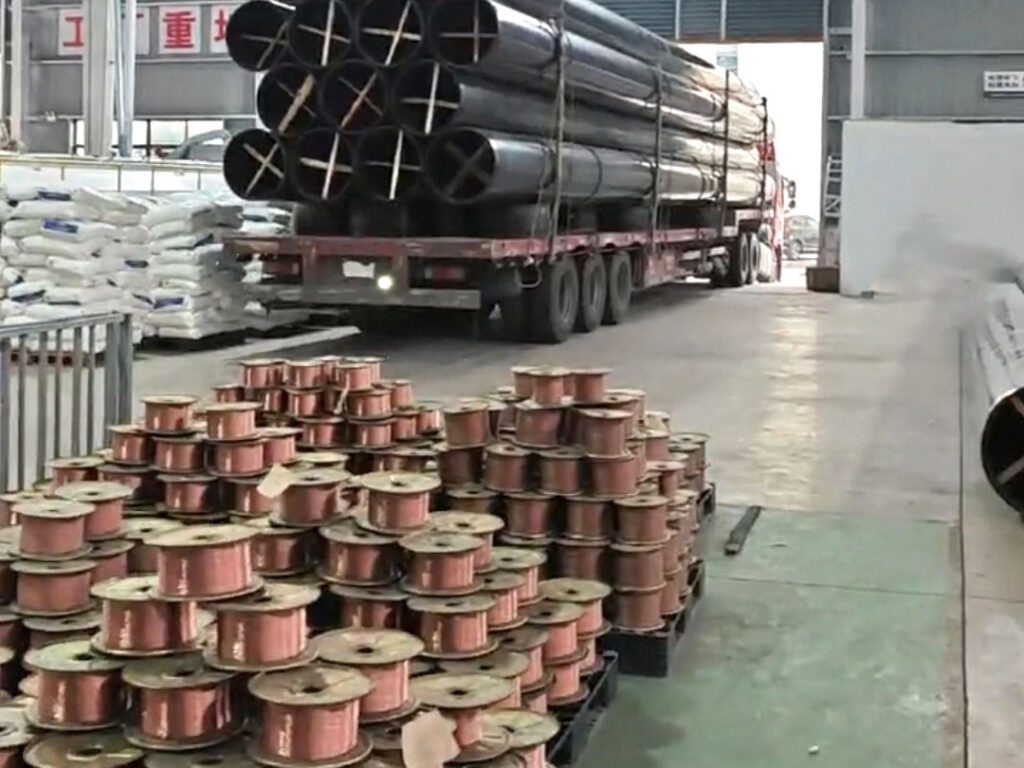
- Superior Durability: HDPE pipes boast high impact resistance, even in low temperatures. Unlike traditional metal or concrete pipes, they don’t crack easily under pressure or external forces, ensuring a long service life—often up to 50 years.
- Corrosion Resistance: These pipes are immune to rust, chemical corrosion, and bacterial growth. They handle harsh substances like acids, alkalis, and saltwater, making them ideal for wastewater treatment and marine projects.
- Flexibility: HDPE’s flexibility allows it to bend without breaking, simplifying installation in tight spaces or uneven terrain. It reduces the need for joints, minimizing leak risks and cutting installation time.
- Lightweight: Compared to metal pipes, HDPE pipes are much lighter, easing transportation and on-site handling. This lowers labor costs and makes them suitable for remote areas.
- Eco-Friendly: HDPE is recyclable, aligning with sustainability goals. It also requires less energy to produce than other pipe materials, reducing carbon footprint.
Wide-Ranging Applications
- Water Supply: HDPE pipes are widely used for potable water distribution. Their non-toxic nature ensures no contamination, meeting strict health standards. They’re also used in irrigation systems, delivering water efficiently to farms.
- Wastewater & Sewage: Resistant to corrosion and clogging, HDPE pipes excel in sewage and drainage systems. They handle solid waste and chemicals, maintaining smooth flow.
- Industrial Sector: In industries like oil and gas, HDPE pipes transport fuels and chemicals safely. Their durability and chemical resistance prevent leaks, protecting the environment and workers.
- Infrastructure Projects: They’re used in road and railway construction for culverts and stormwater management. Their flexibility adapts to ground movement, reducing maintenance needs.
HDPE pipes combine strength, versatility, and sustainability, making them a top choice for modern piping needs. As industries prioritize efficiency and eco-friendliness, HDPE pipes will continue to play a vital role in infrastructure development.