
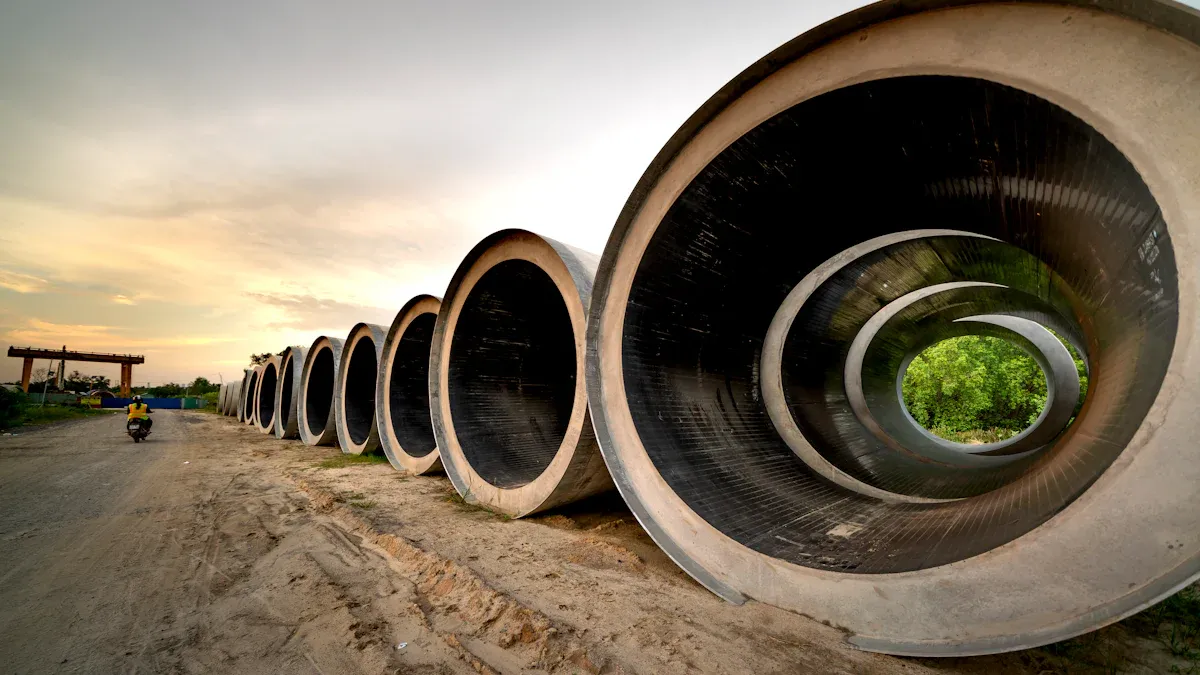
MPP Power Pipe refers to a specialized pipe made from modified polypropylene. This pipe protects power cables in many construction projects. Engineers choose it for its strong insulation and ability to handle high temperatures. MPP Power Pipe plays a key role in keeping electrical systems safe and reliable in modern buildings and infrastructure.
Principaux enseignements
- MPP Power Pipe is made from modified polypropylene, offering strong insulation and high temperature resistance to protect power cables safely.
- The pipe is lightweight, durable, and corrosion-resistant, making it easy to install and ideal for harsh environments like roads, railways, and riverbeds.
- Trenchless installation methods with MPP Power Pipe reduce digging, protect the environment, and keep traffic flowing smoothly during construction.
- Reinforced MPP Power Pipes provide extra strength for heavy loads and tough soil, while standard pipes suit lighter projects, helping engineers choose the right type.
- Proper handling, storage, and hot-melt butt welding connections ensure long-lasting, leak-free pipe systems that save time and reduce maintenance costs.
MPP Power Pipe Overview
What Is MPP Power Pipe
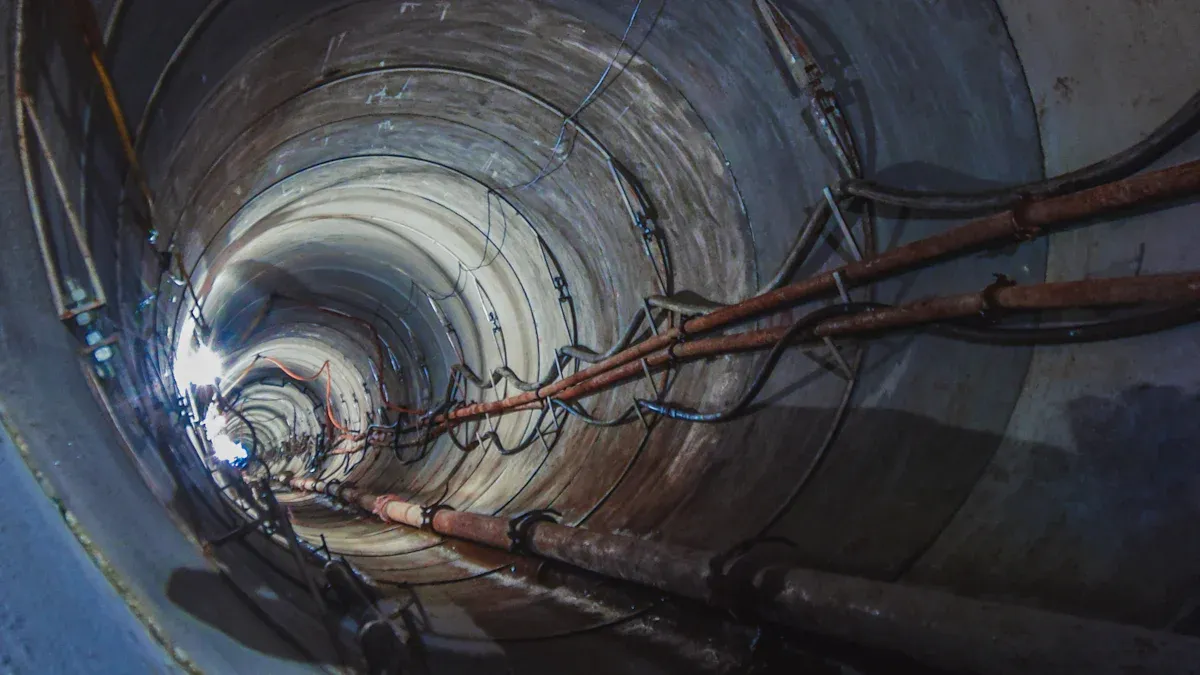
MPP Power Pipe is a rigid pipe made from modified polypropylene. Construction teams use it to protect power cables and pipelines in many types of projects. This pipe stands out because it offers excellent electrical insulation and can handle high temperatures. Workers often install it under roads, railways, and riverbeds, especially where digging is difficult or not allowed. The pipe’s bright orange-red color makes it easy to identify during installation and maintenance.
A table below shows the main aspects of MPP Power Pipe in construction:
| Aspect | Details |
|---|---|
| Matériau | Modified polypropylene (PP powder) |
| Usage | Laying pipelines and cables in roads, railways, buildings, riverbeds with minimal excavation |
| Construction Method | Trenchless construction preferred to reduce environmental impact and avoid traffic disruption |
| Characteristics | Excellent electrical insulation; high thermal deformation temperature; better tensile and compressive strength than HDPE; light and smooth with low friction |
| Applications | Municipal, telecommunication, power pipelines; trenchless horizontal directional drilling; sewage and industrial wastewater projects |
| Advantages | High temperature resistance; rigid pipe; butt welding connection; long-term service temperature -5 to 70°C |
| Types | Common and reinforced types; reinforced subdivided into excavation and trenchless pipes |
| Connection Method | Butt welding at ~200°C; requires brand new material for welding to avoid cable damage |
| Construction Instructions | Avoid impact and exposure; align pipe axes during welding; adjust welding parameters by climate; minimum bending radius ≥ 75 times pipe outer diameter |
| Differences from HDPE | MPP is rigid and heat resistant; HDPE is thermoplastic and softens at high temperature; MPP pipe cutting surface smooth, HDPE rough |
| Other Names | MPP power cable protection pipe, MPP cable pipe, MPP communication pipe |
| Couleur | Orange-red |
| Environmental Benefit | Suitable for areas where excavation is restricted (historic sites, downtown, farmland, expressways, rivers) |
| Trenchless vs Excavation | Excavation pipe buried in trench; trenchless pipe installed without excavation across roads |
Note: MPP Power Pipe is often chosen for projects that need to avoid heavy excavation, such as in city centers or protected areas.
Material and Properties
Manufacturers use modified polypropylene to make MPP Power Pipe. This material gives the pipe several important properties:
- Excellent electrical insulation keeps power cables safe.
- The pipe works in temperatures from -5°C to 70°C.
- It has a higher thermal deformation temperature than HDPE pipes.
- The pipe resists impacts, even at low temperatures.
- It offers greater tensile and compression strength than HDPE.
- The surface is light and smooth, which helps with easy installation.
- Workers can join the pipes using hot-melt butt welding.
A technical table below lists some key properties:
| Property/Feature | Description/Value |
|---|---|
| Electrical Insulation | Excellent |
| Thermal Deformation Temperature | Higher than HDPE |
| Low Temperature Impact Performance | Bon |
| Long-term Use Temperature Range | -5ºC to 70ºC |
| Tensile and Compression Resistance | Higher than HDPE |
| Matériau | Modified Polypropylene (PP) |
| Executive Standard | DL/T802.7-2010 |
| Using Life | Over 50 years |
| Additional Features | Light, smooth, low friction, hot-melt butt jointing |
MPP Power Pipe passes strict quality tests before use. These tests check chemical makeup, thickness, weight, and physical strength. The pipe shows high tensile and compressive strength, with the ability to bend without cracking. It also resists corrosion and can last more than 50 years. Certifications like ISO9001-2008, WRAS, BV, SGS, and CE confirm its quality and durability.
The chart below shows how ring stiffness changes with pipe diameter:
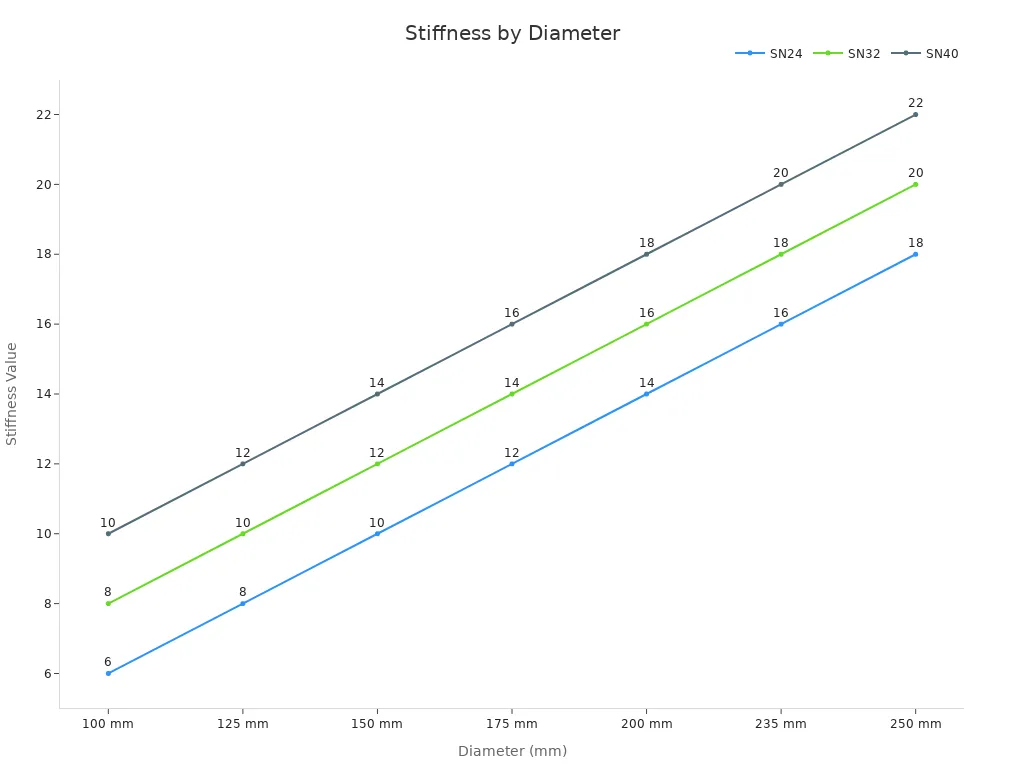
Industry experts note that MPP Power Pipe is lighter, more corrosion-resistant, and easier to install than traditional metal pipes. While there are no exact numbers comparing it to other materials, market trends show that more projects now use MPP Power Pipe because of its strong performance and easy handling.
Tip: MPP Power Pipe’s combination of insulation, strength, and temperature resistance makes it a top choice for protecting power cables in modern construction.
Features and Advantages
Durability and Safety
Engineers value MPP Power Pipe for its strong durability and safety features. The pipe resists impacts and stays tough even in cold weather. It does not crack or break easily when exposed to low temperatures. The material also stands up well against aging, so it keeps its strength for many years. Corrosion resistance is another key benefit. The pipe can handle harsh chemicals and salty environments, making it a good choice for coastal and industrial areas.
A market analysis report shows that modified polypropylene gives the pipe its lightweight design and easy installation. Workers can move and place the pipe without heavy equipment. This saves time and reduces labor costs. The smooth surface of the pipe helps cables slide through without damage.
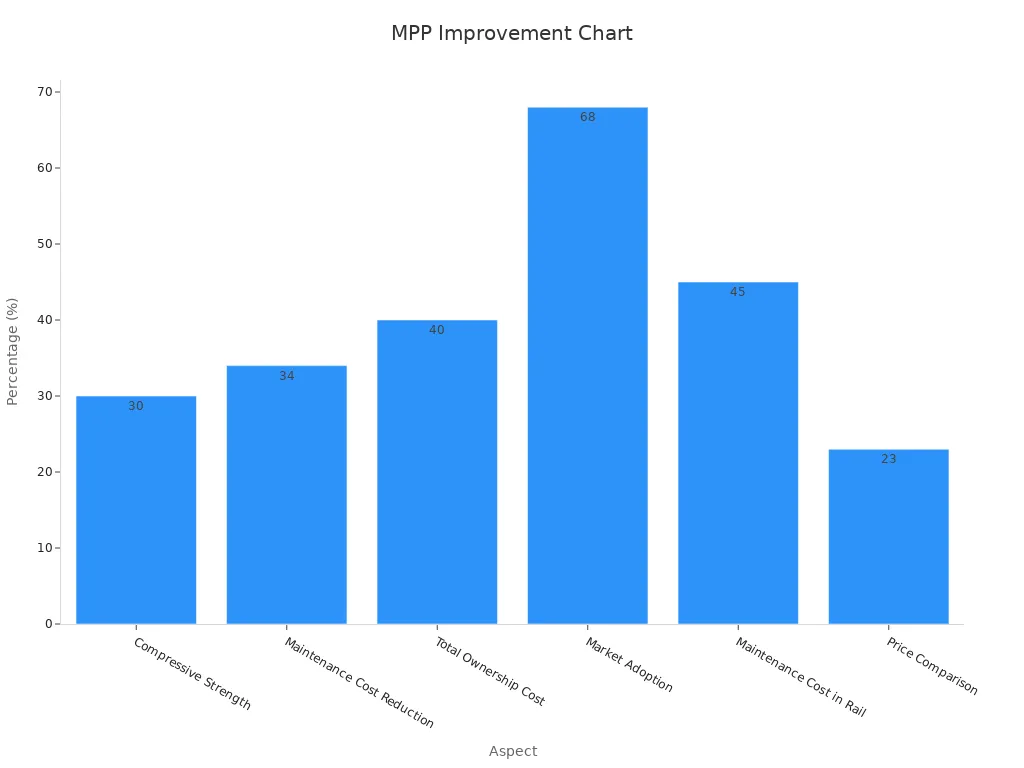
Research findings highlight the pipe’s long lifespan and safety improvements. The table below compares important aspects of MPP Power Pipe with other materials:
| Aspect | Quantified Improvement / Finding | Comparison / Context |
|---|---|---|
| Lifespan | ≥50 years expected lifespan | Preferred in 62% of infrastructure projects in developed markets |
| Compressive Strength | 30% higher compressive strength (up to 25 MPa) | Suitable for heavy-load areas like highways |
| Ring Stiffness | 8 kN/m² | Meets stringent underground deployment requirements |
| Corrosion Resistance | Withstands 1,500 hours salt spray exposure without degradation | Key for coastal and chemical plant environments |
| Maintenance Cost Reduction | 34% lower maintenance costs over 30 years compared to PVC | Verified in utility sector analysis |
| Total Ownership Cost | 40% lower total ownership cost over 20 years compared to HDPE | Due to reduced repair frequency |
| Safety Certifications | UL 94 V-0 flame retardancy, EN 13476, ISO 9001 compliance | Supports fire resistance and quality standards |
| Real-world Applications | Used in coastal, desert, tropical, earthquake-prone regions | Validates durability and safety benefits |
| Market Adoption | 68% contract share in California wildfire mitigation undergrounding projects | Driven by UL 94 V-0 certification |
| Maintenance Cost in Rail | 45% lower maintenance costs compared to PVC in rail electrification projects | Demonstrates cost efficiency in transportation sector |
| Price Comparison | $0.38/meter for lightweight MPP pipes vs $0.55/meter for standard grades in Vietnam | 23% project cost savings |
An experimental study found that steel pipes coated with modified polypropylene powder had much better corrosion resistance than pipes with only epoxy coatings. The special multi-layer coating system helped prevent blistering and damage, even when exposed to harsh chemicals and heat. This means MPP Power Pipe can last longer and need fewer repairs, which improves safety for power cables and reduces costs for owners.
Tip: MPP Power Pipe meets strict safety standards, including fire resistance and quality certifications. This makes it a trusted choice for projects in areas with high safety demands.
Comparison with Other Pipes
When compared to other types of pipes, MPP Power Pipe stands out in several ways. HDPE pipes are softer and can lose shape at high temperatures. Metal pipes are heavy and can rust over time. Concrete pipes are strong but very heavy and hard to install.
- Lightweight: MPP Power Pipe weighs less than metal or concrete pipes. Workers can carry and install it more easily.
- Ease of Installation: The pipe’s smooth surface and light weight make installation faster. Crews do not need large machines to move or join the pipes.
- Corrosion Resistance: Unlike metal pipes, MPP Power Pipe does not rust or corrode. It works well in wet or salty environments.
- Long Lifespan: The pipe can last over 50 years. Owners spend less on repairs and replacements.
- Lower Maintenance Costs: Utility companies report up to 45% lower maintenance costs in rail projects compared to PVC pipes.
- Better Performance: The pipe keeps its shape under heavy loads, such as under roads or railways. It also protects cables from heat and fire.
A market analysis confirms that MPP Power Pipe offers better electrical insulation, mechanical strength, and chemical resistance than traditional materials like PVC. Ongoing improvements in design and installation methods make these pipes even more attractive for modern construction.
Note: Many cities and utility companies now choose MPP Power Pipe for new projects because it saves money, lasts longer, and keeps power systems safe.
Uses in Construction
Trenchless Applications
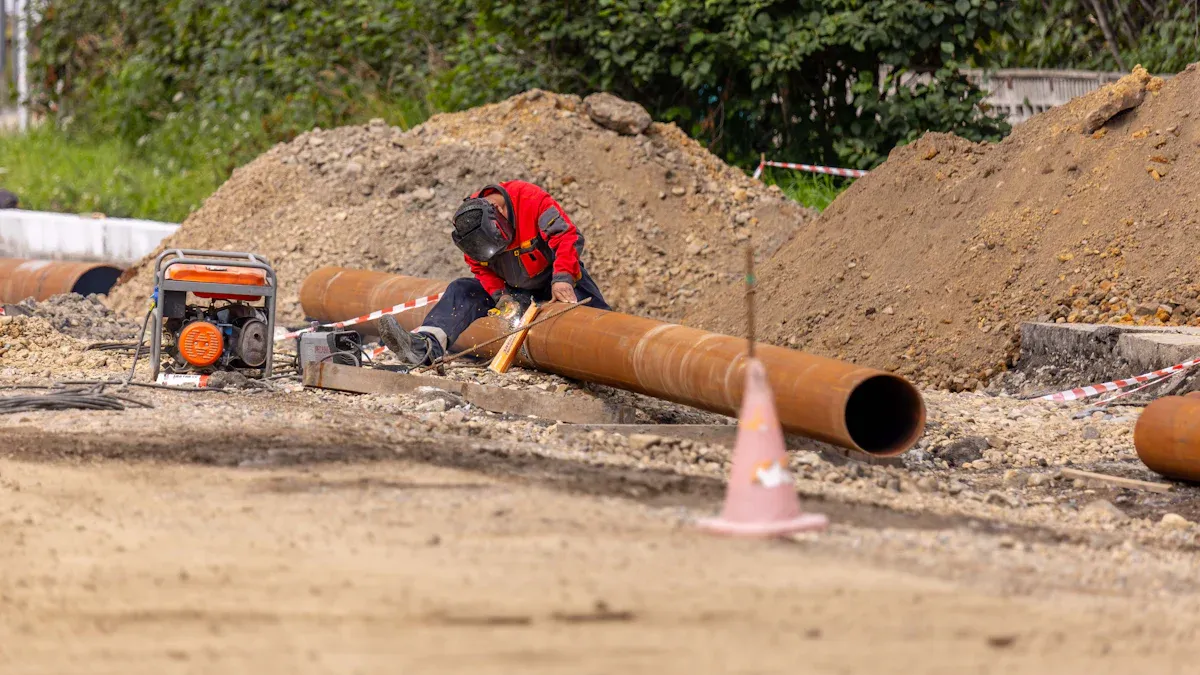
Construction teams often face challenges when they need to lay cables or pipes under busy roads, railways, or buildings. Digging up these areas can cause traffic jams, noise, and damage to the environment. Trenchless technology solves these problems. Workers use special machines to push or pull pipes underground without opening up the surface. This method keeps roads and sidewalks in place.
MPP Power Pipe works well in trenchless projects. Its strong structure and smooth surface help it move through soil with less friction. The pipe resists bending and breaking, even when workers use it under rivers or highways. Many cities use trenchless methods to protect historic sites or farmland. This approach saves time and money. It also reduces the risk of harming nearby buildings or plants.
Note: Trenchless construction helps keep daily life running smoothly. People can drive, walk, or work above ground while crews install new pipes below.
High Voltage Cable Protection
Modern cities need safe and reliable power. High voltage cables carry large amounts of electricity. These cables must stay protected from water, heat, and physical damage. MPP Power Pipe provides a strong shield for these cables. Its insulation keeps electricity inside the cable and away from people or other wires.
Engineers often install these pipes under roads, railways, and river beds. The pipe’s bright color makes it easy to find during repairs. Its resistance to chemicals and weather means it lasts for decades. Utility companies trust this pipe to keep power flowing in all conditions.
A table below shows common places where workers use this pipe:
| Application Area | Reason for Use |
|---|---|
| Under roads | Avoids traffic disruption |
| Railways | Protects cables from vibration |
| Buildings | Keeps power systems safe |
| River beds | Prevents water damage |
| Historic sites | Limits ground disturbance |
Types of MPP Power Pipe
Standard and Reinforced
Manufacturers produce two main types of MPP Power Pipe: standard and reinforced. Each type serves different needs in construction projects.
- Standard MPP Power Pipe works well for regular underground cable protection. It handles normal soil pressure and supports most municipal and building projects. Workers often use this type when the ground does not have heavy loads or strong vibrations.
- Reinforced MPP Power Pipe has extra strength. It includes added materials or thicker walls. This pipe type resists higher pressure and bending. Engineers choose reinforced pipes for trenchless projects, such as horizontal directional drilling. These pipes also protect cables under roads, railways, or riverbeds where the ground faces more stress.
A table below shows the main differences:
| Type | Strength Level | Common Use Cases | Wall Thickness |
|---|---|---|---|
| Standard | Regular | Buildings, light traffic areas | Standard |
| Reinforced | Haut | Roads, railways, trenchless drilling | Thicker |
Tip: Reinforced pipes help prevent damage in tough environments. They last longer when the ground moves or carries heavy loads.
Selection Criteria
Choosing the right type of pipe depends on several factors. Engineers look at the project’s needs before making a decision.
- Soil Conditions: Hard or rocky soil may need reinforced pipes.
- Load Requirements: Areas with heavy vehicles or trains above need stronger pipes.
- Installation Method: Trenchless methods, like drilling, work best with reinforced pipes.
- Cable Type: High voltage cables often need extra protection.
- Budget: Standard pipes cost less but may not last as long in tough spots.
Note: Always match the pipe type to the project’s safety and durability needs. This helps protect cables and reduces repair costs.
Installation
Handling and Storage
Proper handling and storage help maintain the quality of power pipes before installation. Workers should always lift pipes carefully to prevent scratches or dents. They should avoid dragging pipes across rough surfaces. When storing pipes, teams should place them on flat ground. Stacking pipes in a shaded area protects them from direct sunlight. Sunlight can weaken the material over time.
A table below shows best practices for handling and storage:
| Practice | Description |
|---|---|
| Lifting | Use both hands or lifting straps |
| Stacking | Stack in layers, not too high |
| Sun Protection | Store under cover or use tarps |
| Cleanliness | Keep away from mud, oil, or chemicals |
| Inspection | Check for cracks or damage before use |
Tip: Workers should inspect each pipe before installation. Damaged pipes can cause problems later.
Connection Methods
Connecting pipes correctly ensures a safe and long-lasting system. Most teams use hot-melt butt welding for joining. This method uses heat to melt the ends of two pipes. Workers then press the ends together until they cool and form a strong bond. The process creates a smooth, leak-free joint.
Steps for butt welding:
- Clean the pipe ends with a dry cloth.
- Align the pipes using a clamp or guide.
- Heat the ends with a special welding tool.
- Press the ends together and hold until cool.
- Check the joint for smoothness and strength.
Safety matters during installation. Workers should wear gloves and eye protection. They should keep the work area clean and free from flammable materials. Teams must follow the manufacturer’s guidelines for temperature and pressure during welding.
Note: Proper connection methods help prevent leaks and protect cables inside the pipe.
- Construction teams rely on this pipe for safe and long-lasting cable protection.
- The pipe resists corrosion, handles heavy loads, and works well in many environments.
- Workers find it easy to install and maintain, which saves time and money.
Choosing this solution helps modern projects stay safe, efficient, and ready for the future.
FAQ
What does MPP stand for in MPP Power Pipe?
MPP stands for Modified Polypropylene. This material gives the pipe its strength, insulation, and resistance to heat. Engineers use it to protect power cables in many construction projects.
Can MPP Power Pipe be used for water supply systems?
No, MPP Power Pipe is not designed for water supply. It protects electrical cables and communication lines. The pipe’s insulation and strength make it ideal for power projects, not for carrying drinking water.
How long does MPP Power Pipe last underground?
Most MPP Power Pipes last over 50 years underground. The pipe resists corrosion, chemicals, and weather. This long lifespan helps reduce repair and replacement costs for construction teams.
Is MPP Power Pipe safe for use near highways and railways?
Yes. MPP Power Pipe handles heavy loads and strong vibrations. Its reinforced type works well under roads and railways. The pipe keeps cables safe from damage caused by traffic or ground movement.
What is the main advantage of using MPP Power Pipe over metal pipes?
MPP Power Pipe does not rust or corrode. It weighs less than metal pipes and is easier to install. The pipe also provides better electrical insulation, which keeps power cables safer for longer periods.