
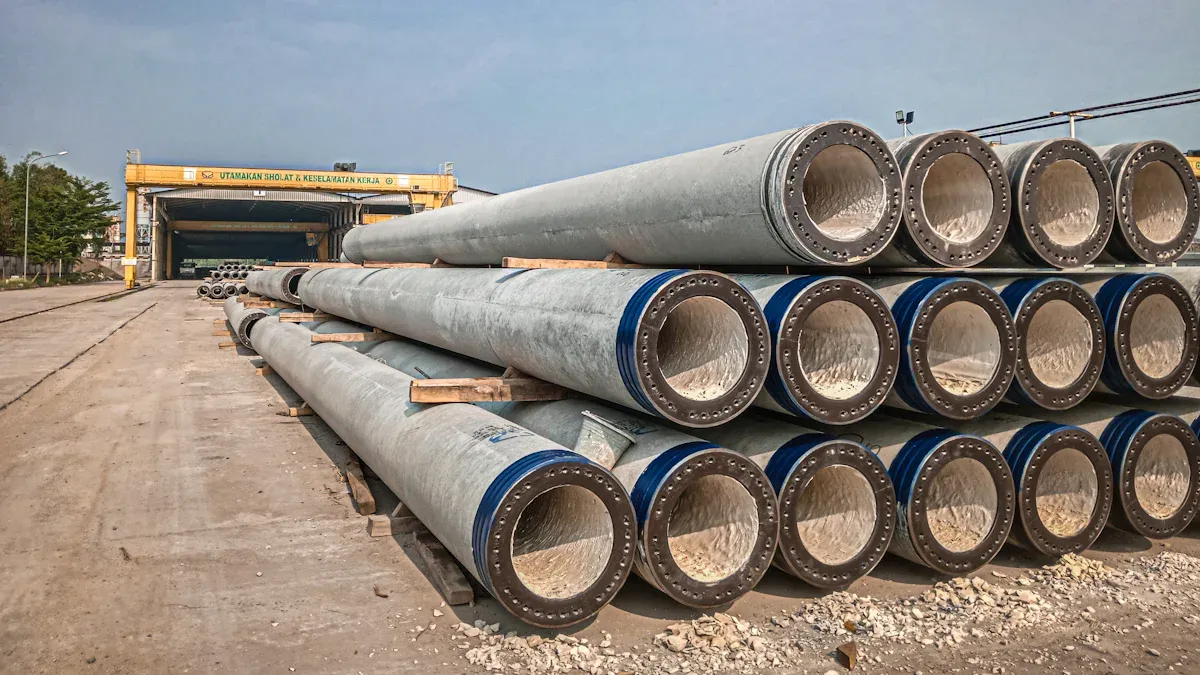
You want a pipe that lasts a long time. You also want to save money and have it work in hard places. HDPE Steel Reinforced Threaded Pipe is better than old pipe materials. It is very strong and does not rust easily. It is also easier to put in place. You may not need to fix it as much. It works well even in rough weather. Some old pipes can take more heat or pressure. But they usually cost more and break more often. You can see the differences when you compare each part.
Principaux enseignements
- HDPE Steel Reinforced Threaded Pipes are strong like steel. They are also flexible like HDPE. This makes them tough and stops them from rusting. These pipes are light and simple to move. They are easy to put in place. This helps save time and money when setting up. The threaded ends help connect pipes fast. You do not need to weld them. This lowers the chance of leaks. It also makes fixing them easier. HDPE pipes can last more than 50 years. You do not have to fix or change them often. This saves money over time. Picking HDPE Steel Reinforced Threaded Pipes is good for the earth. They can be recycled. They also use less energy to move.
Pipe Types Overview
HDPE Steel Reinforced Threaded Pipe Features
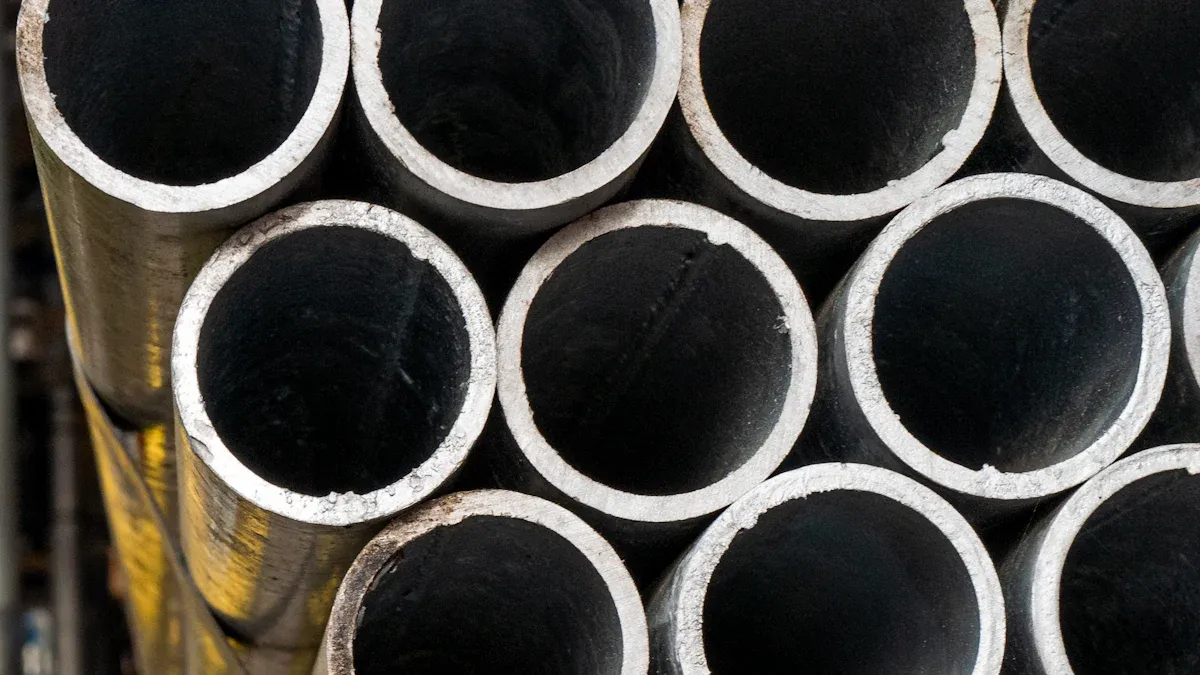
You will find that HDPE Steel Reinforced Threaded Pipe combines the best parts of plastic and steel. This pipe uses a strong steel wire or strip inside a layer of high-density polyethylene (HDPE). The steel gives the pipe extra strength. The HDPE layer protects the steel from water and chemicals. You can use this pipe in places where you need both toughness and flexibility. The threaded ends make it easy to connect pipes without welding or glue. You can install these pipes quickly, even in tight spaces. The design helps prevent leaks and keeps water or other fluids moving safely. HDPE Steel Reinforced Threaded Pipe works well in many settings, such as city water lines, factories, and farms. You will notice that it resists rust and damage from soil or chemicals. This pipe also handles changes in temperature and pressure better than many other plastic pipes.
Traditional Pipe Materials
You have many choices when it comes to traditional pipe materials. Each type has its own strengths and uses. Here are some common options:
- PEX: You can use this for water supply lines. It bends easily and fits in small spaces.
- Copper: This pipe lasts a long time and works well for hot water.
- CPVC: You can use this for both hot and cold water. It does not rust.
- PVC: This is a popular choice for drains and waste pipes. It costs less than many other types.
- ABS: This pipe is like PVC and is easy to put in for drains.
- Galvanized steel: You will see this in tough jobs, like factories.
- Black steel: This pipe handles high pressure.
- Stainless steel: This pipe lasts a long time and you can recycle it.
- Cast iron: This pipe stays strong for years but takes more work to install.
Tip: When you pick a pipe, think about what you need most—strength, cost, or how easy it is to put in.
Advantages & Disadvantages
HDPE Steel Reinforced Threaded Pipe Benefits
You get many benefits when you choose HDPE Steel Reinforced Threaded Pipe. This pipe gives you a strong and flexible option for many jobs. Here are some key advantages:
- High Strength: The steel inside the pipe makes it much stronger than regular plastic pipes. You can use it in places where you need extra support.
- Corrosion Resistance: The HDPE layer protects the steel from rust and chemical damage. You do not have to worry about the pipe breaking down in wet or dirty soil.
- Easy Installation: You can move and install these pipes with less effort. The threaded ends let you connect pipes quickly. You do not need special tools or welding.
- Leak Prevention: The threaded joints help stop leaks. You keep your system safe and efficient.
- Long Service Life: This pipe lasts a long time. You spend less time and money on repairs.
- Lightweight: You can carry and transport these pipes more easily than heavy metal pipes.
- Versatile Use: You can use this pipe in water, sewer, industrial, or farm systems.
Tip: You save time and money with HDPE Steel Reinforced Threaded Pipe. You also get a pipe that stands up to tough jobs.
Traditional Pipe Pros & Cons
You see many types of traditional pipes. Each one has good points and bad points. Here is a quick look at some common types:
| Pipe Type | Pros | Cons |
|---|---|---|
| Copper | Lasts long, handles heat well | Costs more, can corrode over time |
| PVC/CPVC | Cheap, easy to install, no rust | Can crack in cold, not for high heat |
| Steel (Galvanized/Black) | Very strong, good for high pressure | Heavy, rusts, hard to install |
| Cast Iron | Very durable, quiet operation | Very heavy, can rust, hard to cut |
| PEX | Flexible, easy to fit in small spaces | Not for outdoor use, can get damaged by sun |
- Copper pipes last for years and work well with hot water. You pay more for them, and they can still corrode.
- PVC and CPVC pipes cost less and do not rust. You cannot use them for very hot water, and they may break in freezing weather.
- Steel pipes handle high pressure. You find them heavy and hard to move. They can rust if you do not protect them.
- Cast iron pipes stay strong for a long time. You need special tools to cut and install them.
- PEX pipes bend easily and fit in tight spots. You should not use them outside because sunlight can damage them.
Note: When you pick a traditional pipe, think about what matters most for your job. Some pipes last longer, while others cost less or install faster.
Durability & Strength
Lifespan Comparison
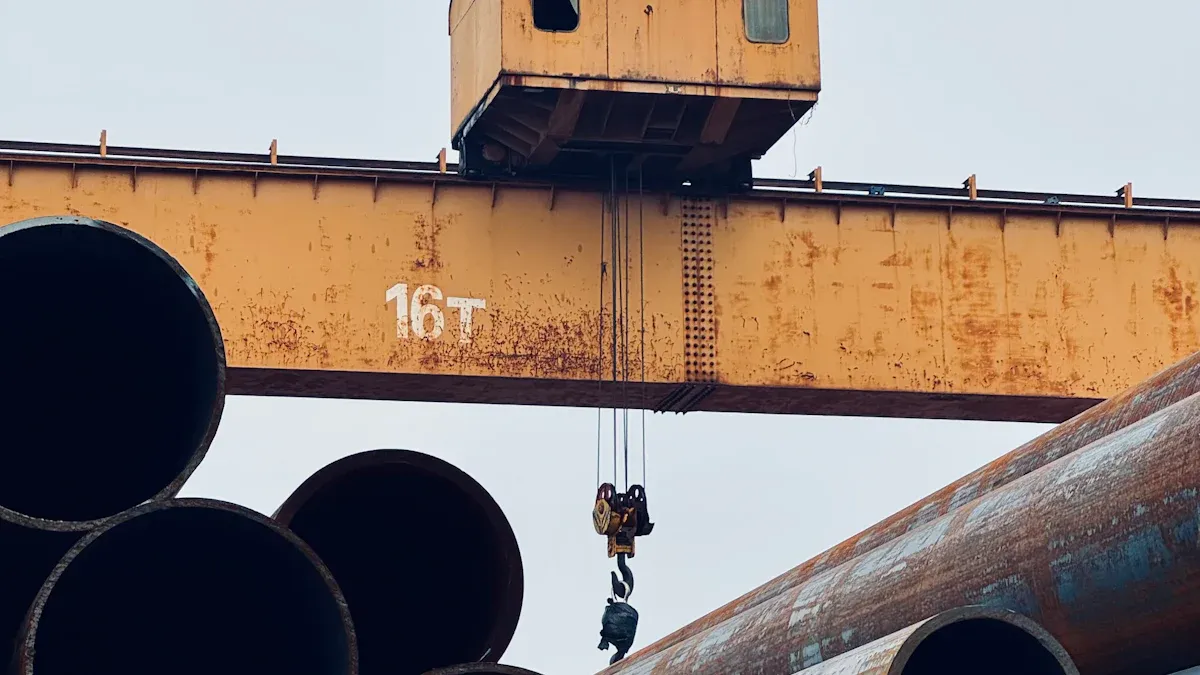
When you choose a pipe, you want it to last. HDPE Steel Reinforced Threaded Pipe gives you a long service life. Most of these pipes can last 50 years or more if you install them correctly. The steel core adds strength, and the HDPE layer protects against rust and chemicals. You do not have to worry about the pipe breaking down quickly.
Traditional pipes have different lifespans. Copper pipes often last 40 to 70 years. Cast iron pipes can last even longer, sometimes up to 100 years, but they may rust inside. PVC and PEX pipes usually last 25 to 50 years. Steel pipes can rust and may need replacing after 20 to 50 years.
Here is a quick look at how long each type can last:
| Pipe Type | Typical Lifespan (Years) |
|---|---|
| HDPE Steel Reinforced Threaded Pipe | 50+ |
| Copper | 40–70 |
| Cast Iron | 50–100 |
| PVC/PEX | 25–50 |
| Steel (Galvanized/Black) | 20–50 |
Tip: You should always check the water quality and soil conditions. These can change how long your pipes last.
Impact & Abrasion Resistance
You want a pipe that can handle bumps and scrapes. HDPE Steel Reinforced Threaded Pipe stands up well to impact. The HDPE layer absorbs shocks, so the pipe does not crack or dent easily. The steel inside gives extra support if something heavy hits the pipe.
Traditional pipes react differently. Copper and steel pipes can dent if you drop them. Cast iron can break if you hit it hard. PVC and PEX pipes can crack under strong impact, especially in cold weather.
- HDPE Steel Reinforced Threaded Pipe: Resists dents, cracks, and scrapes.
- Copper: Dents under heavy impact.
- Cast Iron: Can break if struck hard.
- PVC/PEX: May crack, especially in freezing temperatures.
Note: If you need pipes in places where they might get hit or scraped, you should pick a pipe with strong impact resistance.
Pressure & Temperature
HDPE Steel Reinforced Threaded Pipe Performance
You want a pipe that can handle tough jobs. HDPE Steel Reinforced Threaded Pipe gives you reliable performance in many conditions. You can use it in places with cold winters or hot summers. This pipe works well from -40°C to 60°C. You do not need to worry about cracks in freezing weather or softening in heat. The steel inside helps the pipe stand up to high pressure. You can use it for systems that need up to 16 bar. The HDPE layer keeps the pipe safe from chemicals and water. You get a strong pipe that does not rust or break easily.
Tip: If you need a pipe for outdoor use or changing weather, HDPE Steel Reinforced Threaded Pipe gives you peace of mind.
Traditional Pipe Ratings
You see many choices for traditional pipes. Each type has its own limits for pressure and temperature. Copper pipes handle the highest heat, up to 200°C. You can use them for hot water and steam. Steel and galvanized steel pipes work well for high pressure, up to 25 bar. PVC pipes cost less, but you should not use them for very hot water. They work up to 60°C and handle up to 10 bar. You need to match the pipe to your job.
Here is a table to help you compare:
| Pipe Type | Temperature Range | Pressure Rating |
|---|---|---|
| Tubes PEHD | -40°C to 60°C | up to 16 bar |
| Steel Pipes | N/A | up to 25 bar |
| Tuyaux en PVC | up to 60°C | up to 10 bar |
| Copper Pipes | up to 200°C | up to 28 bar |
| Galvanized Steel | N/A | up to 25 bar |
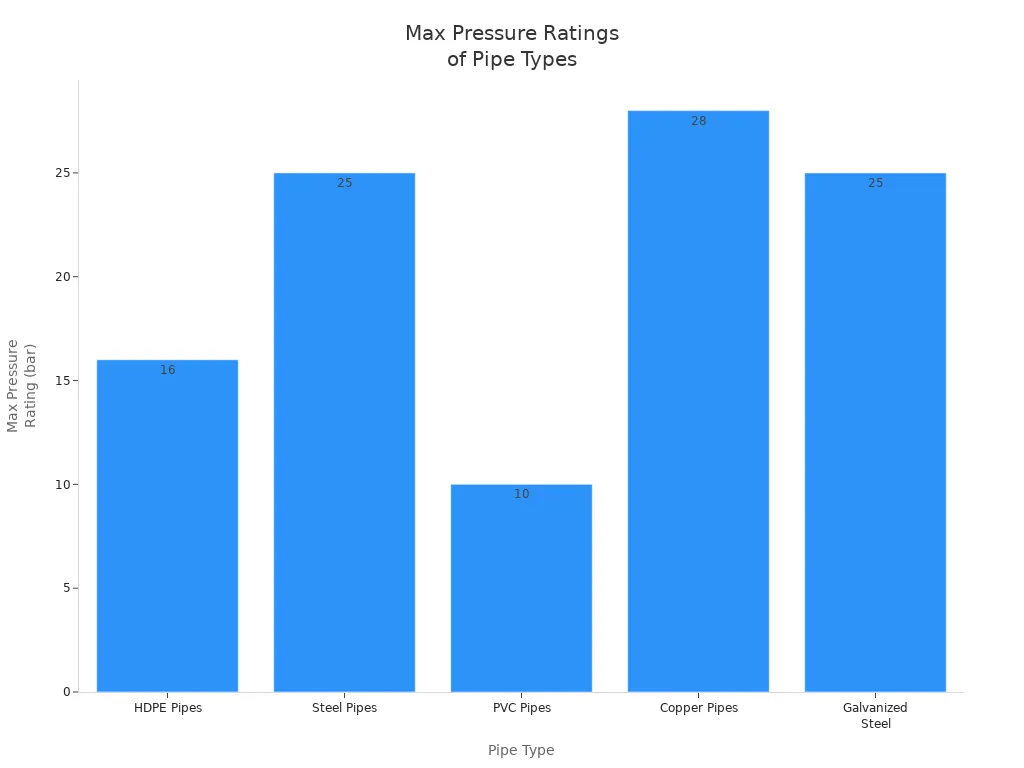
You can see that copper and steel pipes handle higher pressure and temperature. HDPE Steel Reinforced Threaded Pipe gives you a good balance for most jobs. You get strong performance and easy installation.
Note: Always check the pressure and temperature needs before you choose a pipe. The right pipe keeps your system safe and working well.
Corrosion Resistance
HDPE Steel Reinforced Threaded Pipe
You want a pipe that stands up to rust and chemical damage. HDPE Steel Reinforced Threaded Pipe gives you strong protection against corrosion. The outer HDPE layer blocks water, acids, and salts from reaching the steel inside. You do not need to worry about the pipe breaking down in wet soil or harsh environments. The steel core stays safe because the HDPE acts like a shield. You can use this pipe in places with high moisture or chemicals, such as sewer systems or industrial plants. You will notice that the pipe keeps its strength and shape over time. You spend less time and money on repairs because the pipe does not corrode easily.
Tip: If you work in areas with aggressive soils or chemicals, you should choose a pipe with high corrosion resistance. HDPE Steel Reinforced Threaded Pipe helps you avoid leaks and costly damage.
Steel, Ductile Iron, PVC, Concrete
You see different results with traditional pipe materials. Steel pipes rust when exposed to water and air. You may need to coat or paint them to slow down corrosion. Ductile iron pipes resist corrosion better than steel, but they still need a protective lining. PVC pipes do not rust or corrode. You can use them in many water systems, but they may not handle strong chemicals. Concrete pipes resist rust, but acids and salts can damage them over time.
Here is a quick table to help you compare:
| Pipe Material | Corrosion Resistance | Notes |
|---|---|---|
| Steel | Faible | Needs coating or painting |
| Ductile Iron | Medium | Needs lining |
| PVC | Haut | Not for strong chemicals |
| Concrete | Medium | Damaged by acids/salts |
Note: You should always check the soil and water conditions before you pick a pipe. Some materials need extra protection to last longer.
Installation & Handling
Weight & Transport
You want a pipe that you can move and install without much trouble. HDPE Steel Reinforced Threaded Pipe weighs much less than steel or ductile iron pipes. You can lift and carry these pipes with fewer workers or lighter equipment. This makes your job site safer and faster. You also save money on shipping because lighter pipes cost less to transport. If you work in a place that is hard to reach, you will find it easier to bring in these pipes. You do not need big cranes or heavy trucks for most jobs.
| Pipe Type | Weight (per meter) | Transport Needs |
|---|---|---|
| HDPE Steel Reinforced | Light | Small trucks, manual |
| Steel/Ductile Iron | Heavy | Cranes, large trucks |
| PVC/PEX | Very light | Small trucks, manual |
Tip: Lighter pipes help you finish projects faster and lower your transport costs.
Jointing & Flexibility
You want pipes that connect easily and do not leak. HDPE Steel Reinforced Threaded Pipe uses threaded ends. You can screw the pipes together by hand or with simple tools. You do not need to weld or glue the joints. This makes the work safer and cleaner. The threaded joints also help stop leaks, so your system stays dry and safe.
These pipes bend more than steel or iron pipes. You can fit them around corners or over uneven ground. This flexibility means you need fewer fittings and less cutting. You save time and reduce the chance of mistakes.
- Threaded joints make connections quick and strong.
- Flexible pipes fit many shapes and spaces.
- Fewer leaks mean less repair work later.
Note: Flexible and threaded pipes help you build systems that last longer and need less fixing.
Cost & Value
Material & Installation Costs
You want to know how much pipes cost before you start a project. Material price is important, but you also need to think about how much it costs to put the pipes in place. HDPE Steel Reinforced Threaded Pipe usually costs less than steel or copper pipes. You pay more than for plain PVC or PEX, but you get extra strength and longer life.
You save money on installation because these pipes are lighter. You do not need big machines or many workers. The threaded ends make joining pipes fast and simple. You do not need glue, welding, or special tools. This means you finish the job faster and spend less on labor.
Here is a table to help you compare:
| Pipe Type | Material Cost | Installation Cost | Tools Needed |
|---|---|---|---|
| HDPE Steel Reinforced | Medium | Faible | Basic hand tools |
| Steel/Ductile Iron | Haut | Haut | Heavy equipment |
| PVC/PEX | Faible | Faible | Simple cutters |
| Copper | Haut | Medium | Soldering tools |
Tip: Always look at both the price of the pipe and the cost to install it. Sometimes a pipe that costs more at first saves you money later.
Long-Term Investment
You want your pipes to last and not need many repairs. HDPE Steel Reinforced Threaded Pipe gives you good value over time. You spend less on fixing leaks or replacing broken pipes. The pipe resists rust and damage, so you do not have to worry about water or chemicals breaking it down.
Traditional pipes like steel or copper may need more repairs. They can rust or corrode, which means you pay more for upkeep. PVC and PEX cost less at first, but they may not last as long in tough jobs.
Think about the total cost over the life of your system. A pipe that lasts longer and needs less work saves you money in the end.
Note: Investing in quality pipes now can help you avoid big repair bills later.
Maintenance Needs
Inspection & Repair
You want pipes that make inspection and repair easy. HDPE Steel Reinforced Threaded Pipe helps you check for problems without much trouble. You can look for leaks or damage by checking the threaded joints and the pipe surface. If you find a problem, you can unscrew the damaged section and replace it. You do not need special tools or welding. This saves you time and keeps your system running.
Traditional pipes need different methods. Copper and steel pipes often require cutting and soldering when you repair them. Cast iron pipes may need heavy tools to remove or fix sections. PVC and PEX pipes use glue or clamps, so you must cut and rejoin them if you find a leak. You spend more time and effort fixing these pipes.
Tip: Regular inspection helps you catch small problems before they become big repairs.
Maintenance Frequency
You want to know how often you need to check and fix your pipes. HDPE Steel Reinforced Threaded Pipe needs less maintenance than most traditional pipes. The HDPE layer protects the steel inside, so you do not see much rust or corrosion. The threaded joints stay tight, which means fewer leaks. You can inspect these pipes once or twice a year in most cases.
Traditional pipes need more frequent checks. Steel and copper pipes can corrode, so you must look for rust every few months. Cast iron pipes may clog or crack, so you need to inspect them often. PVC and PEX pipes do not rust, but they can crack or leak at joints.
Here is a table to help you compare:
| Pipe Type | Inspection Frequency | Typical Repairs |
|---|---|---|
| HDPE Steel Reinforced Threaded Pipe | 1–2 times per year | Replace joint/section |
| Steel/Copper | 3–4 times per year | Cut, solder, replace |
| Cast Iron | 2–3 times per year | Remove, patch, replace |
| PVC/PEX | 2–3 times per year | Cut, glue, clamp |
Note: Pipes that need less maintenance save you time and money over the years.
Environmental Impact
Sustainability
You want a pipe that is good for the earth. HDPE Steel Reinforced Threaded Pipe has features that help the planet. You can recycle the HDPE when the pipe is old. This means less trash goes into landfills. The steel inside can be recycled too. Using recycled materials saves natural resources. Many old pipes, like steel or cast iron, use lots of raw materials. These pipes need more energy to make and move. Some older pipes, like PVC, can let out chemicals if not handled right. You should check if your pipe follows local rules for the environment.
Tip: Pipes that last longer and can be recycled help you protect the planet.
Energy & Emissions
You can help the earth by picking pipes that use less energy. HDPE Steel Reinforced Threaded Pipe is lighter than steel or concrete pipes. Lighter pipes mean trucks use less fuel to deliver them. You also need fewer workers and machines to put these pipes in. This saves energy. Here is a table to show energy and emissions:
| Pipe Type | Energy to Produce | Emissions During Transport |
|---|---|---|
| HDPE Steel Reinforced | Faible | Faible |
| Steel/Cast Iron | Haut | Haut |
| PVC/PEX | Medium | Faible |
| Concrete | Haut | Haut |
You help cut air pollution and greenhouse gases by using pipes that need less energy. Every time you pick better materials, you help the environment.
Application Suitability
Municipal & Sewer
You need strong pipes for city water and sewer systems. HDPE Steel Reinforced Threaded Pipe works well in these places. It resists rust and chemical damage from wastewater. You can install it in long runs under roads or parks. The pipe bends around obstacles, so you use fewer joints. This helps prevent leaks and keeps water flowing smoothly. City workers find it easy to check and repair these pipes, which saves time and money.
Industrial & Chemical
Factories and chemical plants need pipes that can handle tough jobs. You want a pipe that stands up to acids, salts, and other harsh chemicals. HDPE Steel Reinforced Threaded Pipe gives you this protection. The HDPE layer blocks most chemicals, and the steel core adds strength. You can use these pipes for moving waste, cooling water, or even some chemicals. Workers like that the pipes are light and easy to move, even in tight spaces.
Oil & Gas
Oil and gas projects need pipes that last a long time and work in hard places. You want pipes that do not rust, even in wet or salty ground. HDPE Steel Reinforced Threaded Pipe meets these needs. Look at the main reasons why you might choose this pipe for oil and gas:
| Characteristic | Description |
|---|---|
| Resistance to corrosion | Stands up to harsh chemicals and wet soil |
| Flexibility | Bends to fit rough ground and uneven terrain |
| Durability | Lasts up to 50 years, even in tough jobs |
| High pressure handling | Handles up to 16 bar, good for oil and gas transport |
| Temperature range | Works from -40°C to 60°C, so you can use it in many climates |
You also get these benefits:
- Flexible and lightweight
- Long lifespan
- Good for both hot and cold fluids
- Environmentally friendly
Tip: You can trust this pipe for safe and reliable oil and gas transport.
Residential & Commercial
You want safe water and reliable drains at home or in a business. HDPE Steel Reinforced Threaded Pipe gives you both. It does not rust, so your water stays clean. The pipe is quiet, so you hear less noise from water moving through walls. Plumbers like that it is easy to cut and join, which means faster repairs. You can use it for water supply, drains, or even sprinkler systems.
Quick Reference Table
You want to know how HDPE steel reinforced threaded pipes compare to other pipes. This table shows the main features side by side. You can use it to help pick the best pipe for your project.
| Pipe Material | Cost per Foot | Durability | Temperature Rating | Pressure Rating | Ease of Installation | Corrosion Resistance | Environmental Impact | Common Applications |
|---|---|---|---|---|---|---|---|---|
| HDPE Steel Reinforced Threaded | Medium | Very High | -40°C to 60°C | Up to 16 bar | Easy | Excellent | Recyclable, low emissions | Water, sewer, industrial, oil & gas |
| Copper | Haut | Haut | Up to 200°C | Up to 28 bar | Modéré | Bon | Recyclable, high energy | Water supply, heating |
| PVC/CPVC | Faible | Medium | Up to 60°C | Up to 10 bar | Very Easy | Excellent | Some recycling, low energy | Drainage, waste, water supply |
| Steel (Galvanized/Black) | Haut | Medium | N/A | Up to 25 bar | Hard | Pauvre | Recyclable, high emissions | Industrial, high-pressure systems |
| Cast Iron | Haut | Very High | N/A | Up to 20 bar | Hard | Medium | Recyclable, high energy | Sewer, drainage |
| PEX | Faible | Medium | Up to 90°C | Up to 10 bar | Very Easy | Excellent | Some recycling, low energy | Residential water supply |
📝 Tip: Look at this table to find the pipe that fits your needs. If you want a strong pipe that is easy to put in and does not need much fixing, HDPE steel reinforced threaded pipes are a good choice. Copper is best for very hot water. PVC or PEX cost less if you want to save money.
Every pipe type has things it does well. HDPE steel reinforced threaded pipes are tough, simple to use, and better for the environment. You get a pipe that works in many places and lasts a long time.
You have seen how HDPE steel reinforced threaded pipes compare to traditional pipes. If you want strong, easy-to-install, and long-lasting pipes, HDPE steel reinforced threaded pipes work well for most jobs. For high heat, copper pipes are best. If you need low cost, choose PVC or PEX.
Always check your project needs before you pick a pipe. The right choice saves you time, money, and effort.
FAQ
What makes HDPE steel reinforced threaded pipes different from regular HDPE pipes?
You get extra strength with the steel core inside the pipe. The HDPE layer protects the steel from rust and chemicals. This design gives you a pipe that lasts longer and handles higher pressure than regular HDPE pipes.
Can you use HDPE steel reinforced threaded pipes for drinking water?
Yes, you can use these pipes for drinking water. The HDPE layer keeps water safe and clean. Always check that your pipe meets local safety standards before you install it.
How do you connect HDPE steel reinforced threaded pipes?
You screw the pipes together using the threaded ends. You do not need glue or welding. This makes installation quick and helps prevent leaks.
Are HDPE steel reinforced threaded pipes safe for underground use?
Yes, you can use these pipes underground. The HDPE layer protects the steel from soil and moisture. You get a pipe that resists rust and damage from chemicals in the ground.
What tools do you need to install these pipes?
You only need basic hand tools, like a pipe wrench, to connect the threaded ends. You do not need heavy machines or special equipment.