
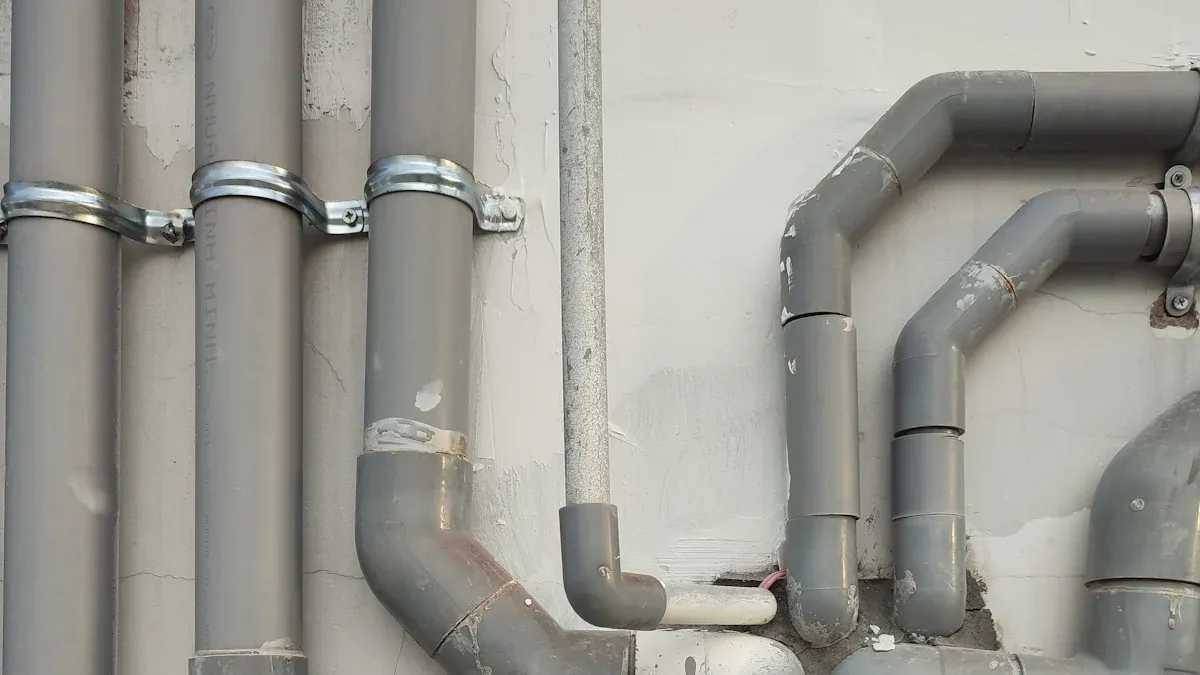
If you are wondering which is better for your home, PPR water pipe is usually the best choice. PPR pipes can handle very hot water up to 95°C and last a long time, more than 50 years. They also help keep your water clean and safe. To help you decide which is better, you can look at the table below comparing PPR to other pipes:
| Pipe Type | Advantages | Disadvantages | Best Use Case |
|---|---|---|---|
| PPR | Handles heat well, keeps water clean, lasts long, does not get clogged | Costs more, needs a skilled worker to install | Good for hot and cold water inside homes |
| PE | Bends easily, does not break easily, works well underground | Needs special tools, costs more | Best for underground or high-pressure water |
Both pipes have their benefits, so which is better depends on your specific needs. Consider whether you want hot or cold water, if the pipe will be inside or outside, and how it will be installed.
Principales conclusiones
- PPR pipes can handle hot water up to 95°C. They last more than 50 years. This makes them great for indoor hot and cold water lines. PE pipes are bendy and strong. They work best outside or underground for cold water. They are good when you need to bend pipes or install them easily. Both PPR and PE pipes do not rust. They stop bacteria from growing. They keep your water clean and safe to drink. PPR pipes need skilled workers to install them with heat fusion. They have a very low chance of leaking and make strong joints. PE pipes are easier and faster to put in. They need fewer fittings. Pick PPR pipes for hot water and inside your house. Pick PE pipes for flexible, outside, or underground cold water systems. This way, you get the best performance and long-lasting pipes.
Overview
Tubos PPR
Many new homes use PPR pipes. These pipes are made from polypropylene random copolymer. This material makes them strong and stops rust. PPR pipes can carry hot water up to 95°C. They work well for both hot and cold water. Brands like Ginde and Longsheng make safe PPR pipes for drinking water. Some pipes have EPDM rubber to keep heat in. Others have fiberglass for extra strength in cold places.
Here is a quick look at PPR pipe features:
| Característica | Details |
|---|---|
| Material | Polypropylene Random Copolymer (PPR) |
| Max Temperature | 95°C |
| Lifespan | Over 50 years |
| Certifications | NSF, WRAS, ACS, ISO 9001, ISO 14001 |
| Key Benefits | Leak resistance, low maintenance, energy efficiency, recyclable |
| Special Features | UV resistance, IoT leak detection, food-grade safety, seismic flexibility |
You can use PPR pipes inside your house. They also work for heating and watering gardens. Many people pick PPR because it keeps water clean. It also stops bacteria from growing. If you want a pipe that lasts a long time, PPR is a good choice.
Tubos de PE
PE pipes are made from polyethylene. They are flexible and strong. You can bend them around corners. This makes them easy to put underground or in small spaces. PE pipes do not crack or break easily. They are good for outside plumbing, watering plants, and high water pressure.
PE pipes are not as good for hot water as PPR pipes. Most PE pipes work best with cold water. People use them for main water lines or garden hoses. They do not rust or get damaged by chemicals. You do not have to worry about buildup inside.
Tip: Use PE pipes for underground or outside jobs. For hot water inside, PPR pipes work better.
When you choose a pipe, think about where you will use it. Each pipe is best for different jobs in your home.
Durability
Corrosion Resistance
When you choose pipes for your home, you want them to last without rusting or breaking down. Both PPR and PE pipes offer strong resistance to corrosion. PPR pipes do not rust or react with most chemicals. This makes them a safe choice for carrying drinking water and hot water. You will not see scaling or buildup inside PPR pipes, so water flows smoothly for years.
PE pipes also resist corrosion very well. They do not react with soil, water, or most chemicals. This makes them perfect for underground use or places with harsh conditions. You do not have to worry about rust or leaks from chemical damage. Both pipe types keep your water clean and safe.
| Propiedad | Tubos PPR | PE Pipe (PE80/PE100) |
|---|---|---|
| Corrosion Resistance | Excellent | Excellent |
| Scaling/Buildup | Very low | Very low |
| Resistencia química | Alta | Alta |
| Rust | None | None |
Tip: If you live in an area with hard water or soil that damages metal, both PPR and PE pipes will protect your plumbing.
Service Life
You want your plumbing to last as long as possible. PPR pipes can serve your home for over 50 years, even with hot water running through them. They do not crack or decay, so you will not need to replace them often. PE pipes also have a long service life. PE100 pipes, for example, show higher strength and better crack resistance than older PE80 pipes. This means they can handle pressure and stress for decades.
In most homes, both PPR and PE pipes will last for many years without problems. PPR works best for hot water lines inside your house. PE pipes shine in underground or outdoor settings, where they face more impact and pressure. You can trust both options to give you reliable plumbing for a long time.
Safety
Drinking Water Quality
You want your water to be clean and safe. PPR and PE pipes follow strict rules for safety. Companies test these pipes to make sure they are pure and strong. PPR pipes are made from almost all polymer, about 99.5%. This means the material is very pure and safe. PE pipes also pass tests for safety and do not have bad chemicals like lead or PVC. Groups like NSF International and WRAS check these pipes. They look at how well the pipes resist chemicals and heat. They also check if the pipes keep water pure. Both PPR and PE pipes meet rules like NSF/ANSI 61 y ISO 9001. These rules make sure pipes do not change the taste or smell of your water.
Here is a table with some important safety facts:
| Característica | Tubos PPR | Tubos de PE |
|---|---|---|
| Polymer Purity | ≥99.5% (SGS tested) | High (meets NSF/ANSI 61) |
| Key Certifications | NSF/ANSI 61, WRAS, ISO 9001 | NSF/ANSI 61, WRAS, ISO 9001 |
| Chemical Leaching | None detected | None detected |
| Pressure/Leakage Tests | Passes ISO 1167 | Passes GB/T 13663 |
Note: Make sure you use certified pipes and fittings. This helps keep your water safe to drink.
Bacterial Growth
You do not want bacteria in your water pipes. PPR and PE pipes have smooth insides. This smoothness makes it hard for bacteria to stick and grow. PPR pipes do not get buildup inside, so bacteria cannot hide. PE pipes also stop bacteria because they do not rust or react with water. Tests show both pipes keep water clean for a long time. These tests check for rust and how strong the pipe joints are. The results prove PPR and PE pipes keep your water safe for many years.
- PPR and PE pipes:
- Do not rust or get buildup
- Stop bacteria from growing
- Keep water clean for a long time
If you want safe and clean water at home, PPR and PE pipes are both great choices.
Temperature & Pressure
Hot Water Use
When you need pipes for hot water, you want them to stay strong and safe under high temperatures. PPR pipes work very well for hot water. You can use them for water up to 95°C (203°F) without worry. These pipes keep their shape and strength, even after years of use. Tests show that PPR pipes can handle burst pressures up to 3.2 MPa at 95°C. Even at 110°C, they still work, though the pressure rating drops a bit. PPR pipes also pass long-term tests, holding up under 1.6 MPa at 80°C for 1,000 hours with almost no change in shape. You get peace of mind because the joints in PPR pipes are heat-fused, making them leak-proof and even stronger than the pipe itself.
PE pipes, on the other hand, do not handle hot water as well. They start to lose strength at high temperatures. Most PE pipes work best for cold or lukewarm water. If you use them for hot water, they may soften or lose shape over time.
Here is a quick comparison:
| Propiedad | PPR | PE (PEX) |
|---|---|---|
| Max Operating Temp (°C) | 95 | 90 |
| Pressure at 80°C (MPa) | Excellent | Bien |
| Thermal Expansion (mm/m°C) | 0.15 | 0.2 |
Tip: For hot water lines, always choose PPR pipes. They last longer and keep your water system safe.
Cold Water Performance
Both PPR and PE pipes work well for cold water. You can use either one for your main water supply, garden hoses, or outdoor taps. PE pipes shine in cold water jobs. They bend easily, so you can run them around corners or underground. They do not crack when the weather gets cold. PPR pipes also do a great job with cold water. They resist freezing and do not rust or scale inside.
- PPR pipes:
- Stay strong in cold and hot water
- Do not rust or clog
- PE pipes:
- Very flexible and tough
- Great for underground or outdoor use
If you want a pipe for cold water, you can pick either PPR or PE. For outdoor or underground jobs, PE pipes give you more flexibility and impact resistance. For indoor cold water lines, PPR pipes offer clean water and long life.
Installation
Flexibilidad
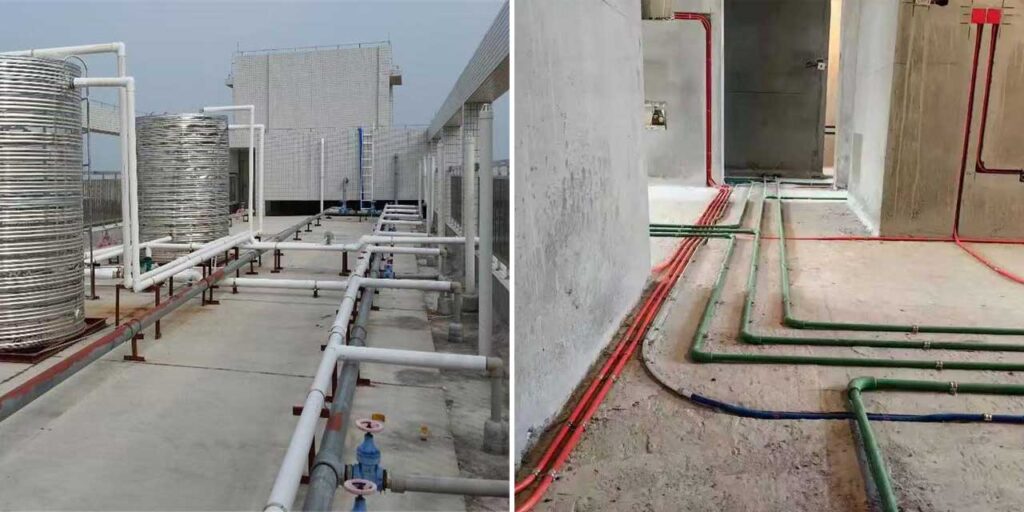
When you install water pipes, flexibility can make your job much easier. PE pipes, especially PE-RT types, stand out for their high flexibility. You can bend these pipes around corners and obstacles without needing many extra fittings. This feature helps you save time and effort during installation.
- PE-RT pipes come in coils, so you can carry and move them easily.
- You can route PE pipes through tight spaces or around objects without cutting and joining many pieces.
- Fewer fittings mean fewer chances for leaks and lower installation costs.
PPR pipes do not offer the same level of flexibility. You usually need to cut PPR pipes to fit around corners or obstacles. This process takes more time and requires more fittings. If you want a pipe that bends and fits into tricky spots, PE pipes give you a clear advantage.
Tip: Choose PE pipes for projects where you need to go around many corners or install pipes underground.
Ease of Joining
How you join pipes matters for both speed and safety. PPR pipes use heat fusion to connect pieces. You or your plumber will use a special tool to melt the ends of the pipes and fittings. When the plastic cools, it forms a strong, leak-proof joint. This method creates a bond that is often stronger than the pipe itself. However, you need training and the right equipment to do it well.
PE pipes also use heat fusion, but you can sometimes use mechanical fittings for quick jobs. The flexibility of PE pipes means you often need fewer joints. This reduces the risk of leaks and makes the system more reliable.
| Pipe Type | Flexibilidad | Joining Method | Skill Needed | Leak Risk |
|---|---|---|---|---|
| PPR | Bajo | Heat fusion | Alta | Very low |
| PE | Alta | Heat fusion/mechanical | Medium | Very low |
If you want a fast and simple installation, PE pipes are easier to handle, especially in long or winding runs. For a strong, permanent connection inside your home, PPR pipes offer excellent leak protection.
Note: Always use the correct tools and follow instructions for joining pipes. This keeps your plumbing safe and long-lasting.
Coste
Material Price
When you plan your home plumbing, you want to know how much each pipe will cost. Both PPR and PE pipes offer good value, but their prices depend on several factors.
PE pipes often cost less because manufacturers use energy-efficient methods and large-scale production. The raw materials for PE pipes are easy to find, so prices stay stable. You also save money on shipping because PE pipes are lightweight. Their durability means you will not need to replace them often.
PPR pipes also have competitive prices. The cost depends on the quality and the supplier you choose. PPR pipes last over 50 years, so you will not spend much on replacements. Their smooth inside surface helps water flow easily, which can lower your energy bills.
Here is a quick comparison:
| Pipe Type | Material Price | Durability | Coste de mantenimiento |
|---|---|---|---|
| PPR | Moderado | 50+ years | Very low |
| PE | Bajo | 50+ years | Very low |
Tip: Both PPR and PE pipes cost less than metal pipes. You get long-lasting performance for a fair price.
Installation Cost
You also need to think about how much it will cost to install your pipes. Both PPR and PE pipes are lightweight, so workers can carry and handle them easily. This lowers labor costs.
- PE pipes bend around corners, so you use fewer fittings and save time during installation.
- The flexible design of PE pipes means you can install them quickly, even in tight spaces.
- PPR pipes use a simple fusion welding process. This method is fast and creates strong, leak-proof joints.
- Both types resist corrosion, so you will not spend much on repairs or maintenance.
If you want to keep your plumbing project on budget, both PPR and PE pipes help you save money on installation. Their easy handling and long life mean you spend less now and in the future.
Note: Always choose certified pipes and skilled installers. This helps you avoid extra costs from leaks or repairs.
Which Is Better for Home Plumbing?
Choosing the right pipe for your home can feel confusing. You want a system that lasts, keeps your water safe, and fits your needs. Let’s look at which is better for hot and cold water, so you can make the best choice for your home.
Best for Hot Water
You need a pipe that can handle high temperatures and pressure if you want to run hot water in your home. PPR pipes stand out in this area. They can work safely with water up to 95°C. The Vicat softening point for PPR pipes is 131.5°C, which means they do not lose shape or strength easily. Most PPR pipes last over 50 years under normal use. Some advanced types, like Basalt Fiber PPR, offer even higher pressure resistance and lower thermal expansion. This makes them very stable for hot water lines.
Laboratory studies show that PPR pipes resist corrosion and scaling. They keep your water clean and safe. However, you should avoid using strong disinfectants like chlorine dioxide, as these can shorten the pipe’s life. If your water chemistry is normal, PPR pipes give you reliable hot water for decades.
PE pipes do not perform as well with hot water. They start to soften at lower temperatures and may lose strength over time. Most PE pipes work best for cold or lukewarm water. If you use PE pipes for hot water, you may see leaks or pipe failure after a few years.
| Característica | Tubos PPR | Tubos de PE |
|---|---|---|
| Max Working Temperature | 95°C | 60°C (some up to 90°C) |
| Pressure Resistance (at 80°C) | Up to 25.9 Bars | Lower |
| Lifespan (Hot Water) | 50+ years | Much shorter |
| Corrosion/Scaling | Very low | Very low |
For hot water lines inside your home, PPR pipes are the best choice. They last longer, handle heat better, and keep your water safe.
Best for Cold Water
When you need pipes for cold water, both PPR and PE pipes work well. You can use either one for indoor plumbing, garden hoses, or underground lines. PE pipes shine in outdoor and underground jobs. They bend easily, so you can run them around corners or through tight spaces without many fittings. This flexibility makes installation faster and cheaper.
PPR pipes also do a great job with cold water. They resist freezing down to -15°C if you choose anti-freeze types. The smooth inner surface keeps water flowing and stops buildup. You can use PPR pipes for indoor cold water lines if you want a system that lasts and keeps water clean.
Here is a quick guide to help you decide:
- Use PPR pipes if you want:
- Hot water lines inside your home
- Long-lasting, clean water supply
- Pipes that resist scaling and bacteria
- Use PE pipes if you want:
- Cold water lines outdoors or underground
- Flexible pipes for tricky spaces
- Easy and fast installation
Tip: For most indoor plumbing, PPR pipes give you the best mix of safety, durability, and performance. For outdoor or underground cold water, PE pipes are often the better choice.
Which is better for your home?
If you want to know which is better for home plumbing, think about where and how you will use the pipes. PPR pipes work best for hot water and indoor lines. PE pipes are great for outdoor, underground, or flexible cold water systems. Both types keep your water clean and safe, but each has its own strengths.
You can use this table to help you choose:
| Aplicación | Best Pipe Type |
|---|---|
| Indoor Hot Water | PPR |
| Indoor Cold Water | PPR or PE |
| Outdoor/Underground Water | PE |
| Flexible Routing Needed | PE |
| Long-Term Durability | PPR |
Remember: Always check your local water quality and installation needs before you decide. This helps you pick the pipe that will last the longest and keep your water safe.
Quick Reference Table
Choosing the right pipe for your home can feel confusing. You want a simple way to see the main differences between PPR and PE pipes. This quick reference table gives you a side-by-side look at the most important features. Use it to help you decide which pipe fits your needs best.
| Característica | Tubos PPR | Tubos de PE |
|---|---|---|
| Best Use | Hot & cold indoor water | Cold water, outdoor, underground |
| Max Temperature | 95°C (203°F) | 60°C (140°F), some up to 90°C |
| Flexibilidad | Bajo | Alta |
| Lifespan | 50+ years | 50+ years |
| Corrosion Resistance | Excellent | Excellent |
| Bacterial Growth | Very low | Very low |
| Installation | Needs skilled worker, heat fusion | Easy, flexible, fewer fittings |
| Material Price | Moderado | Bajo |
| Drinking Water Safety | Excellent | Excellent |
| Leak Risk | Very low | Very low |
💡 Tip:
Use PPR pipes for hot water lines inside your home. Choose PE pipes for outdoor or underground cold water lines.
Key Points to Remember:
- PPR pipes work best for hot water and indoor plumbing.
- PE pipes bend easily and fit well in outdoor or underground spaces.
- Both pipe types keep your water clean and safe.
- You save money on repairs with both, since they resist rust and buildup.
If you want a fast answer, check the table above. It shows you which pipe works best for each job. You can use this guide when you talk to your plumber or shop for supplies. This way, you make the best choice for your home plumbing system.
You now know which is better for most home plumbing needs. PPR pipes work best for hot water and indoor use. PE pipes fit outdoor or underground jobs. If you want safe, long-lasting pipes, choose PPR for hot water lines. Pick PE when you need flexible pipes outside. Check the quick-reference table before you decide. This helps you match the right pipe to your project.
PREGUNTAS FRECUENTES
Can you use PPR pipes for outdoor plumbing?
You can use PPR pipes outdoors, but you should protect them from direct sunlight. UV rays can weaken PPR over time. If you need pipes for outdoor or underground use, PE pipes work better because they resist sunlight and weather.
Are PPR and PE pipes safe for drinking water?
Both PPR and PE pipes are safe for drinking water. They do not add harmful chemicals to your water. Always choose pipes with certifications like NSF or WRAS to make sure your water stays clean and safe.
Which pipe is easier to repair if it leaks?
PE pipes are easier to repair because you can use mechanical fittings. PPR pipes need heat fusion tools and more skill. If you want quick repairs, PE pipes give you a simple solution.
Do PPR or PE pipes freeze and burst in winter?
Both PPR and PE pipes resist freezing better than metal pipes. PE pipes bend and stretch if water freezes inside, so they rarely burst. PPR pipes also handle cold well, but you should still insulate them in very cold areas.